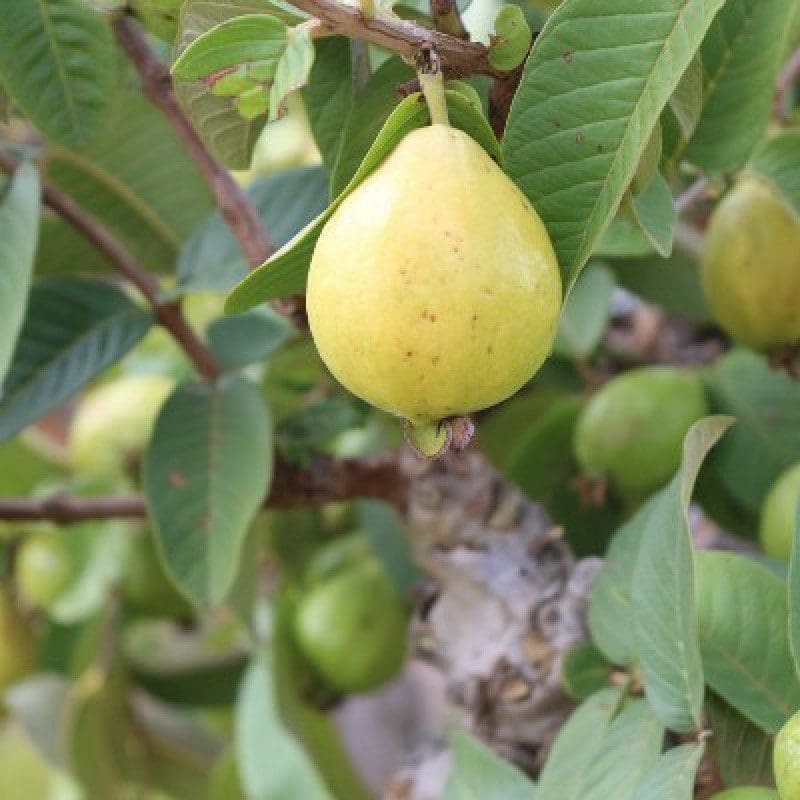
Thaiwan pink Guava
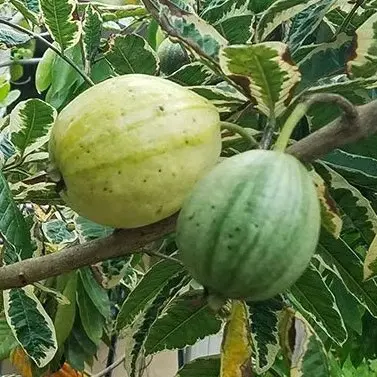
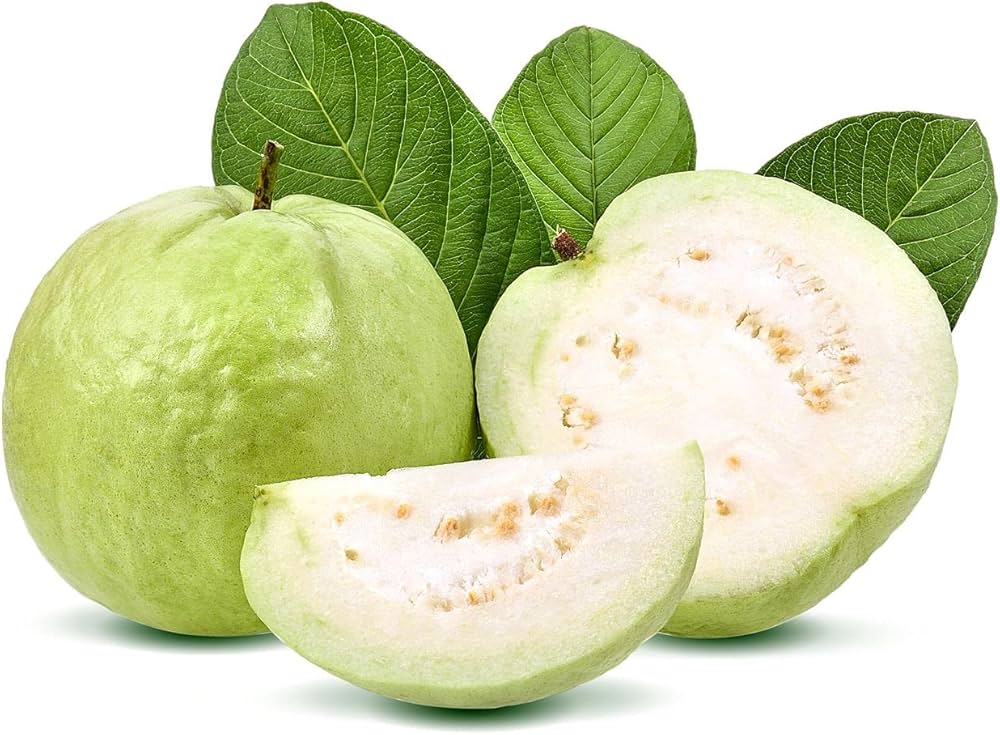
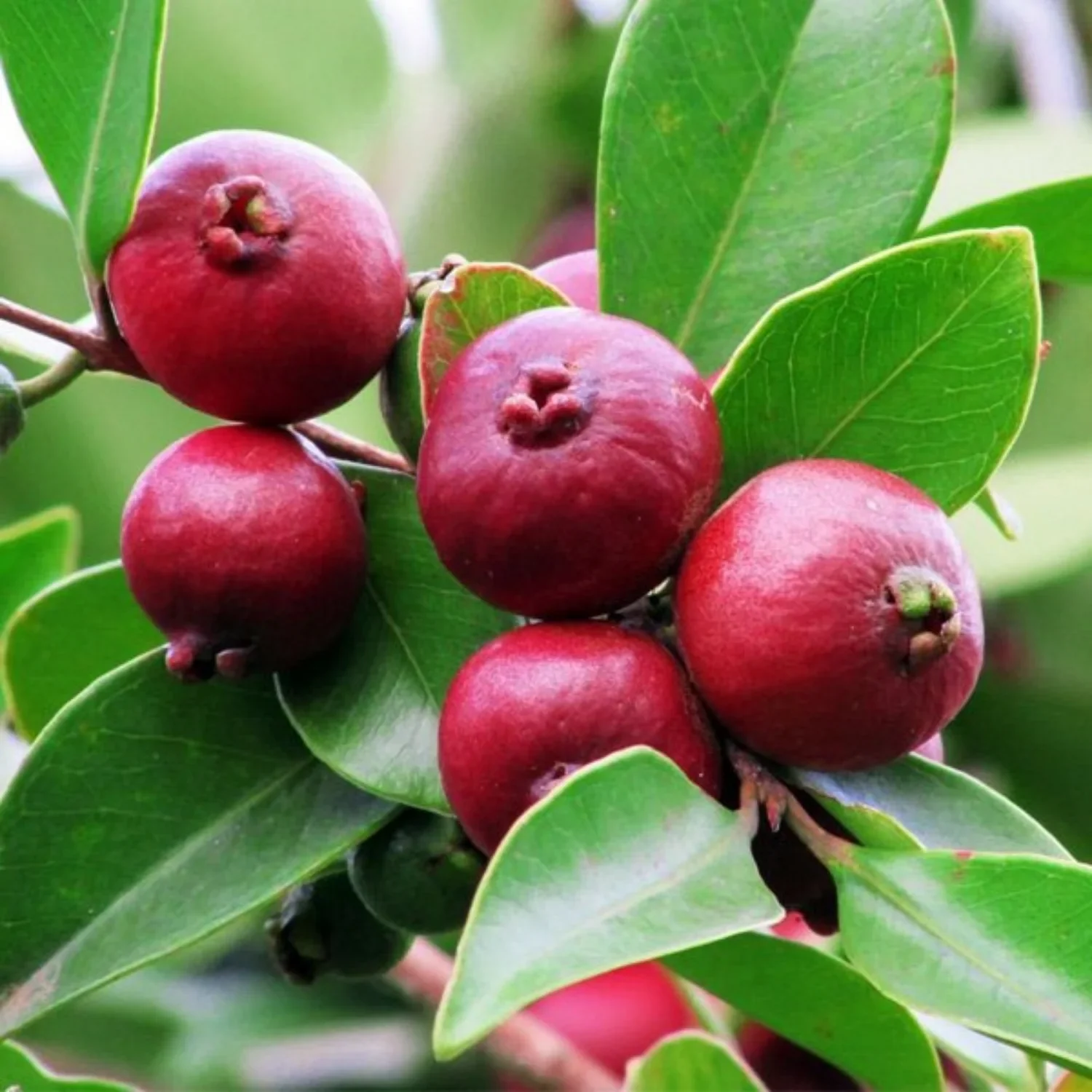
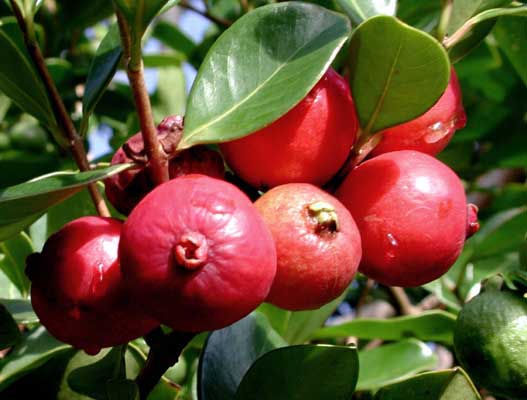
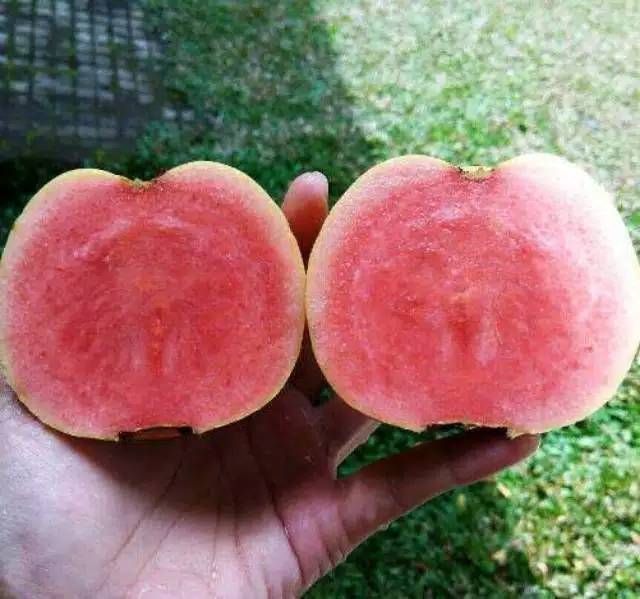
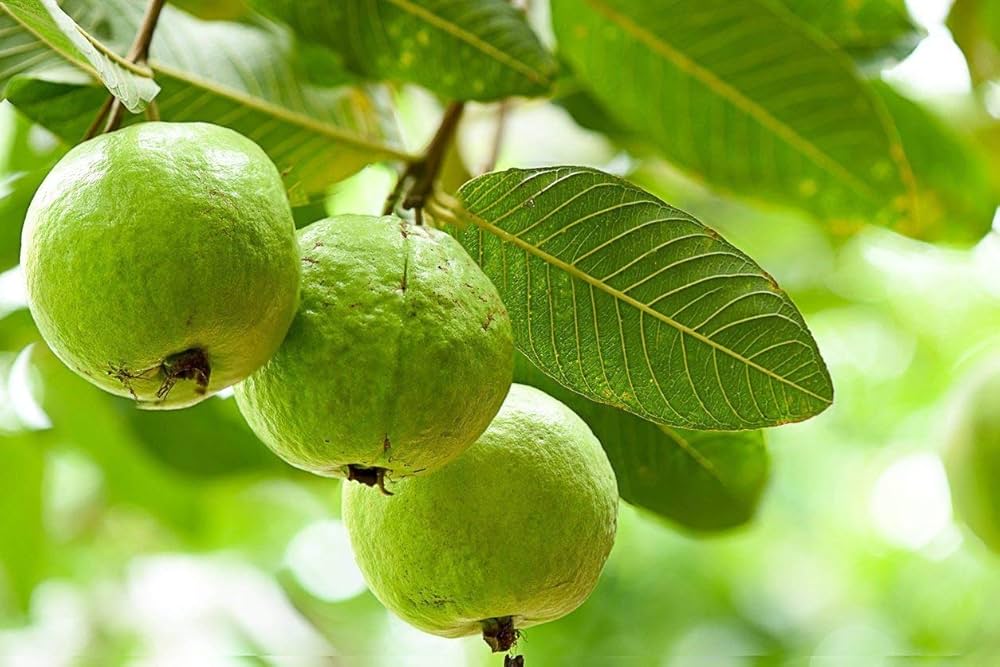
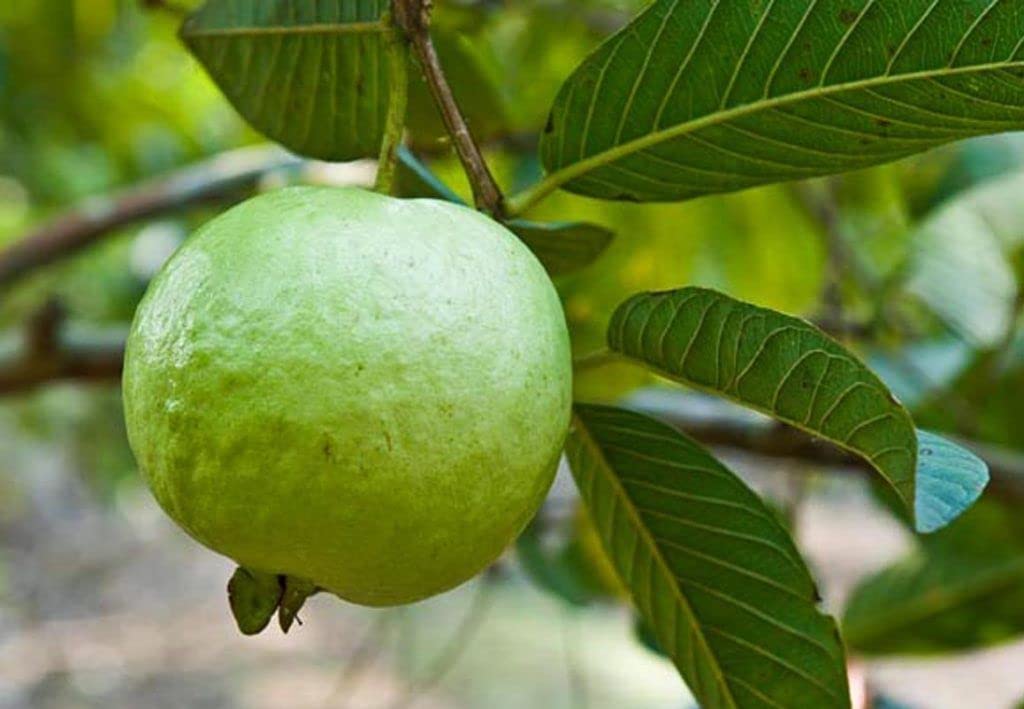
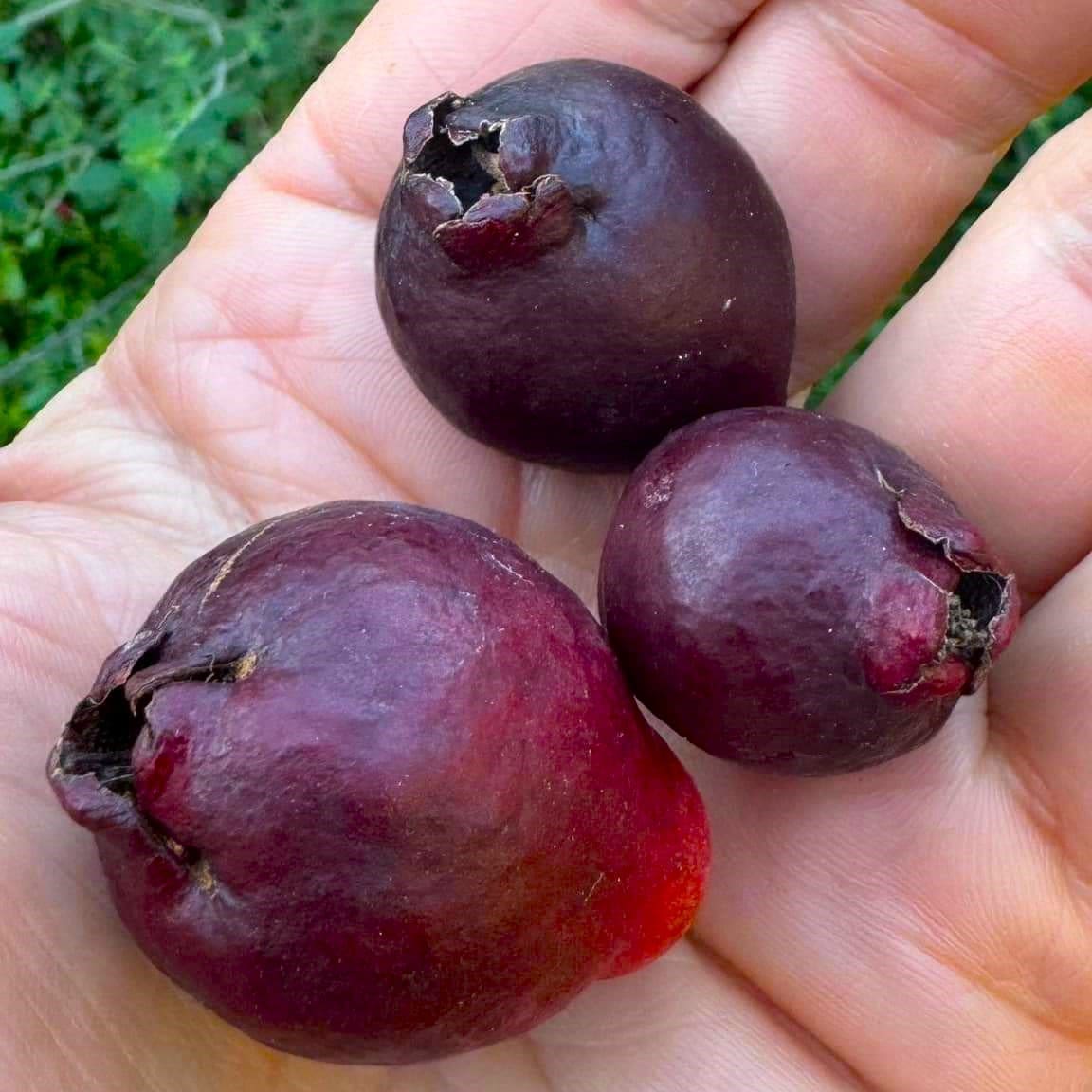
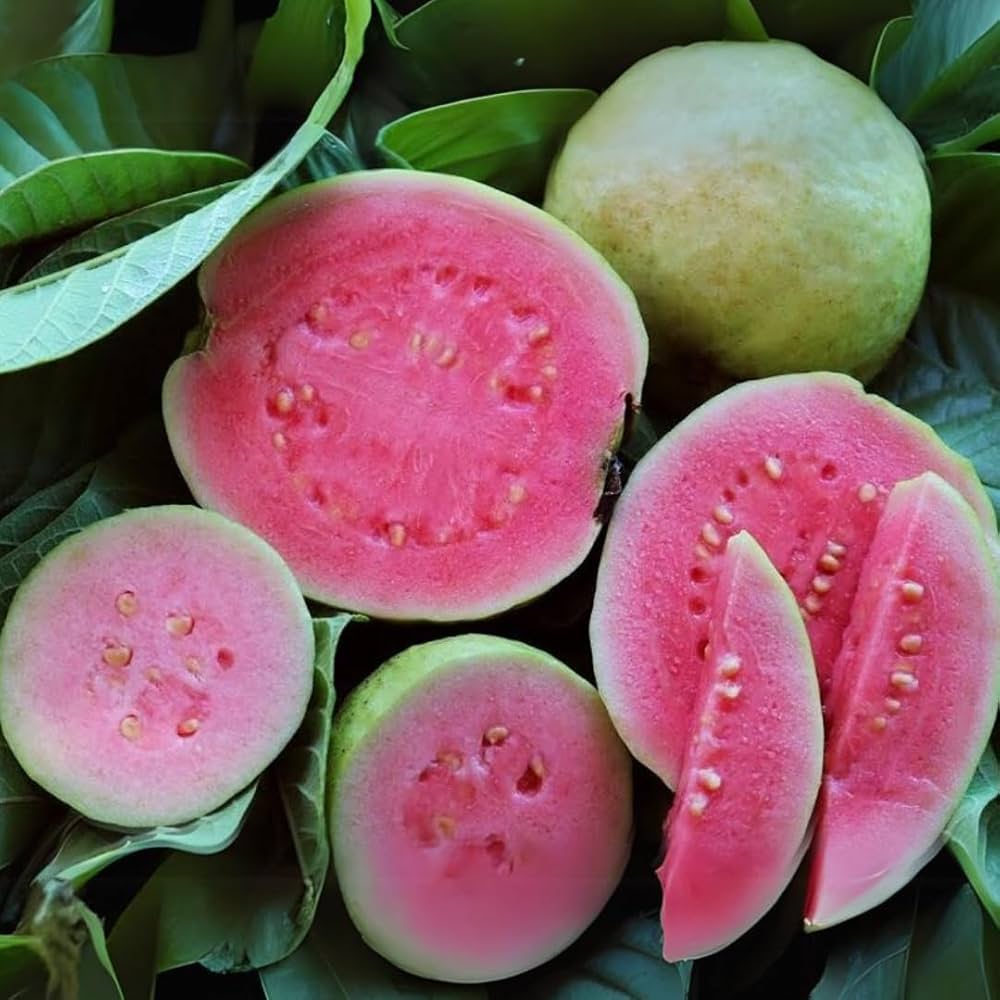
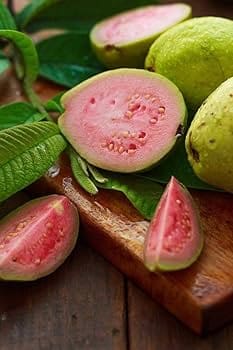
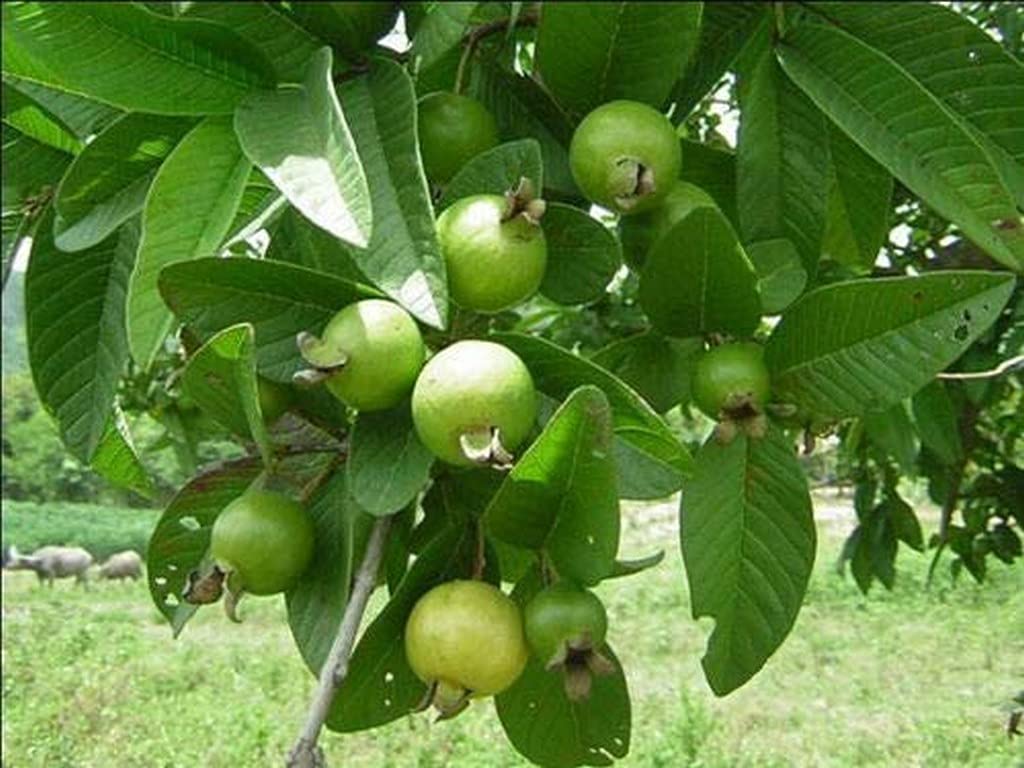
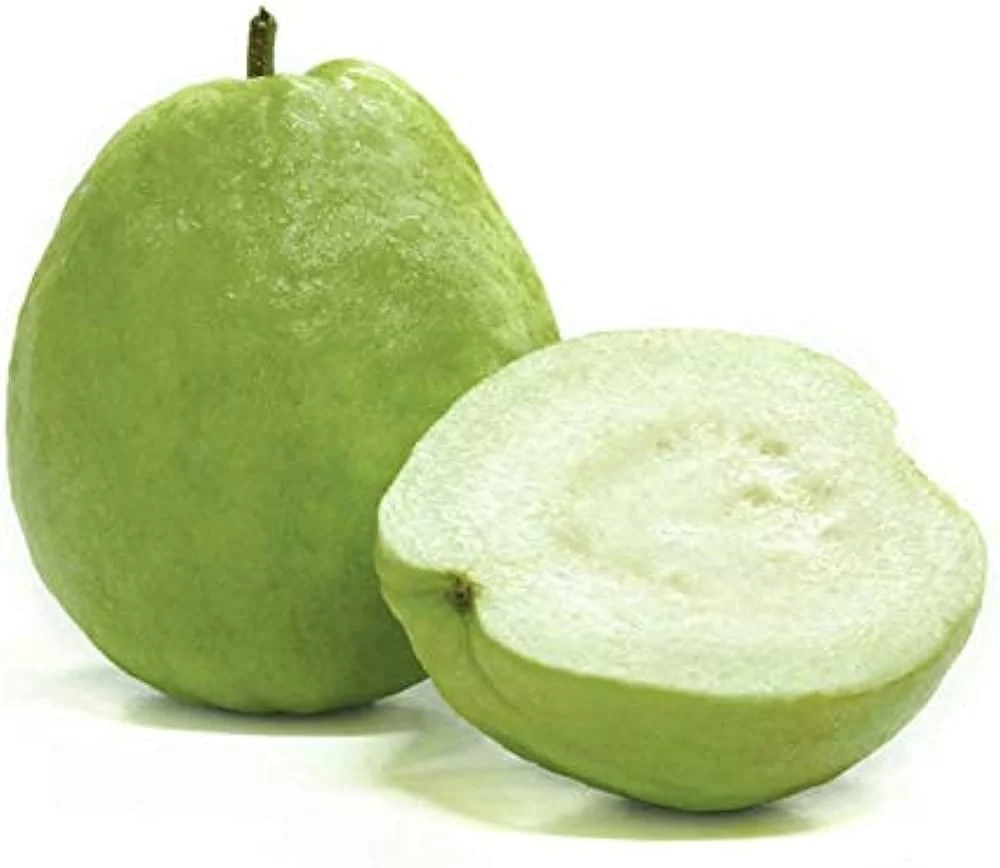
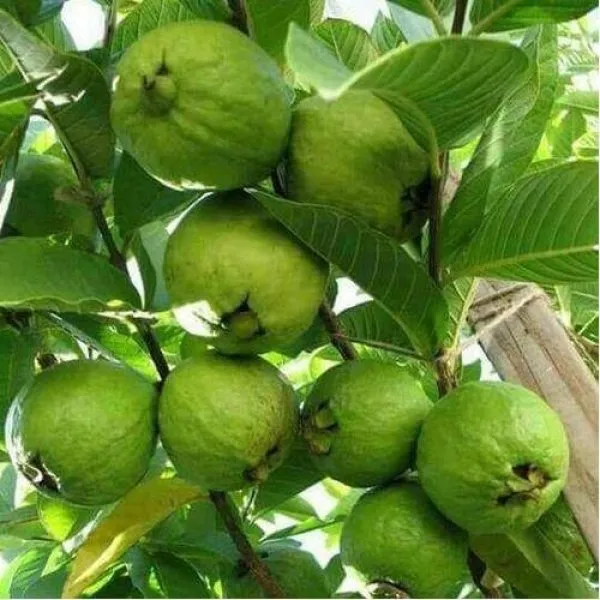
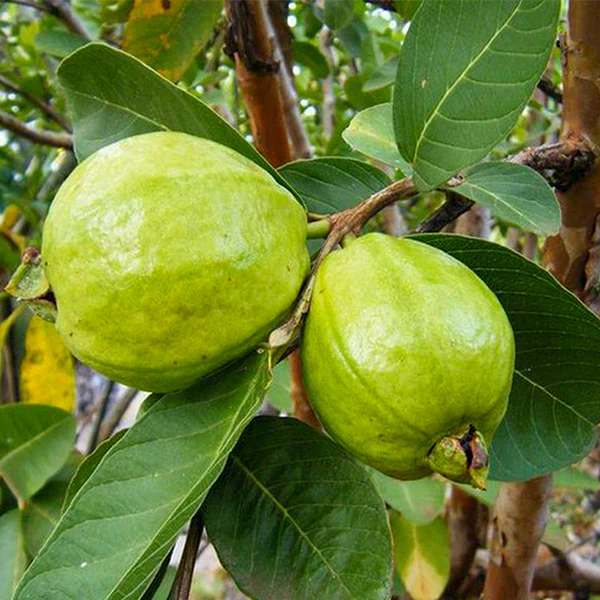
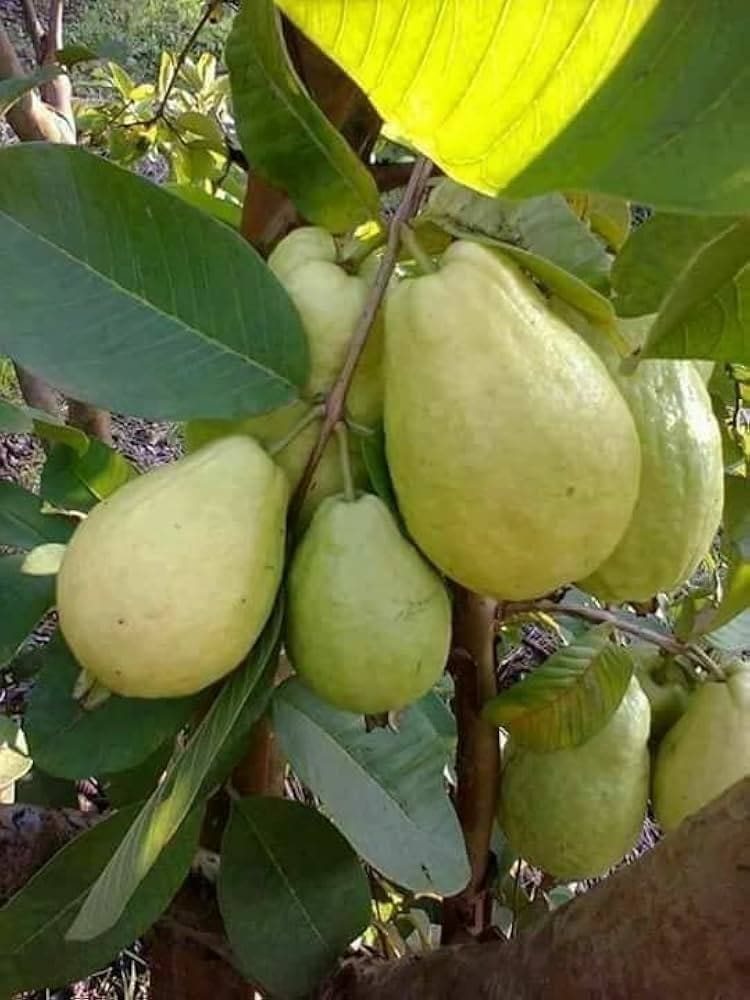
Indulge your senses with the exquisite Thaiwan Pink Guava, a tropical delight renowned for its sweet, juicy flesh and vibrant pink hue. This exotic fruit tree is a prized possession for home gardeners and commercial growers alike.
Key Features & Benefits
- Sweet and Juicy: Experience the burst of sweetness in every bite.
- Vibrant Pink Hue: Add a splash of color to your garden and fruit bowl.
- Rich in Nutrients: Packed with essential vitamins and minerals.
- Versatile Fruit: Enjoy fresh, juiced, or in various culinary creations.
- Ornamental Value: A beautiful addition to any landscape.
Plant Care Guide
Ideal Plantation Locations
Thaiwan Pink Guava thrives in warm, tropical climates with ample sunlight. Well-drained, slightly acidic soil is ideal.
Planting & Gardening Instructions
- Location: Choose a sunny spot with protection from strong winds.
- Soil Preparation: Prepare the soil by adding well-rotted organic matter to improve drainage and fertility.
- Planting: Dig a hole twice the size of the root ball and plant the guava tree at the same depth as it was in the pot.
- Spacing: Plant guava trees 10-15 feet apart.
Watering
Water the tree regularly, especially during dry periods. Allow the soil to dry slightly between waterings to prevent root rot.
Fertilizers
Apply a balanced, slow-release fertilizer once a year during the growing season.
Repotting Instructions
Re-pot your guava tree every 2-3 years or when it becomes root-bound. Use a pot one size larger and fresh, well-draining potting mix.
Fruiting Season
Thaiwan Pink Guava typically fruits during the summer months.
Usage Ideas
- Fresh consumption
- Juicing
- Smoothies
- Jams and jellies
- Culinary creations
Care Tips
- Pest and Disease Control: Monitor for common pests like fruit flies and scale insects. Treat promptly with organic or chemical insecticides.
- Pruning: Prune regularly to maintain shape and encourage fruit production.
- Mulching: Apply a layer of organic mulch around the base of the tree to conserve moisture and suppress weeds.
Original: $2.03
-70%$2.03
$0.61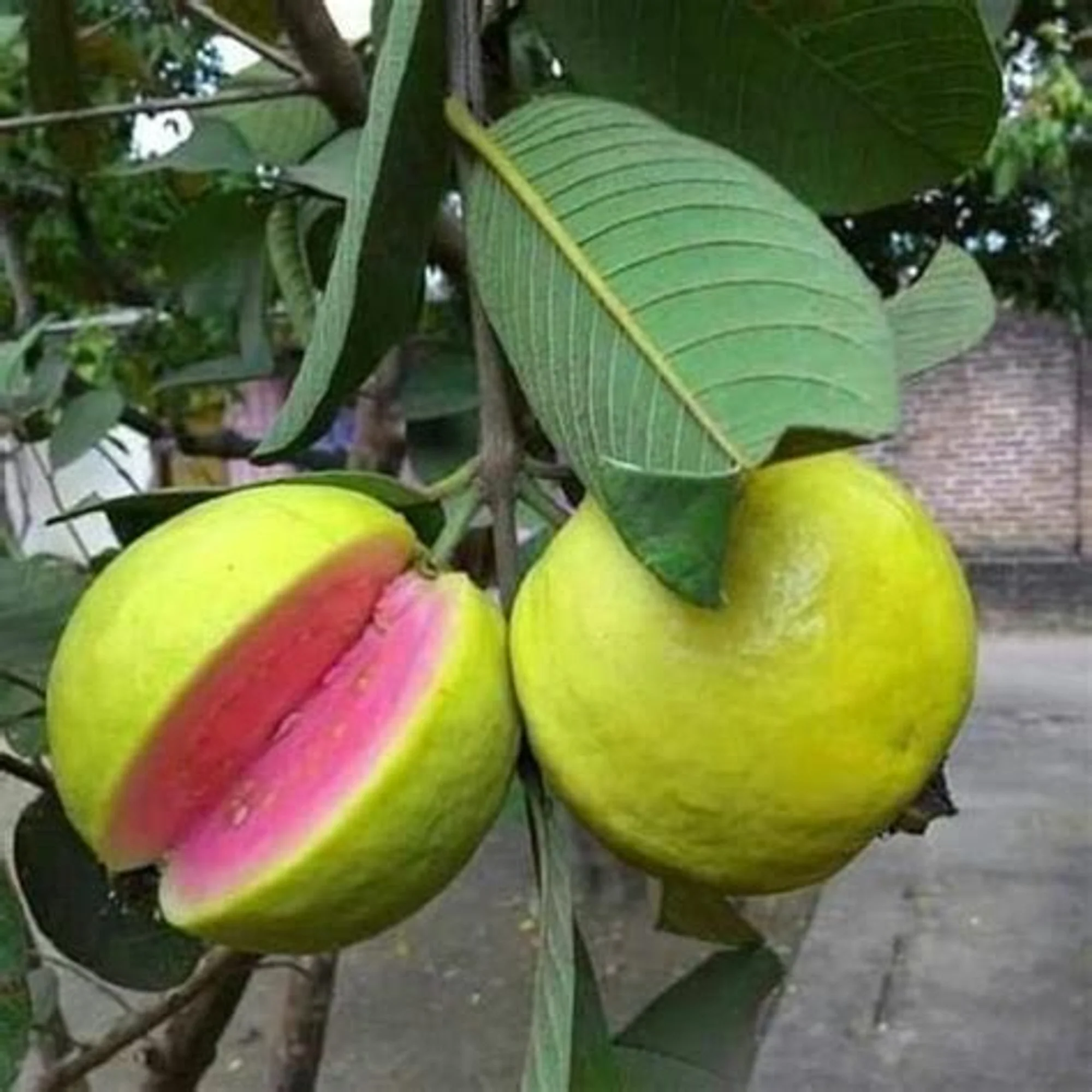
Description
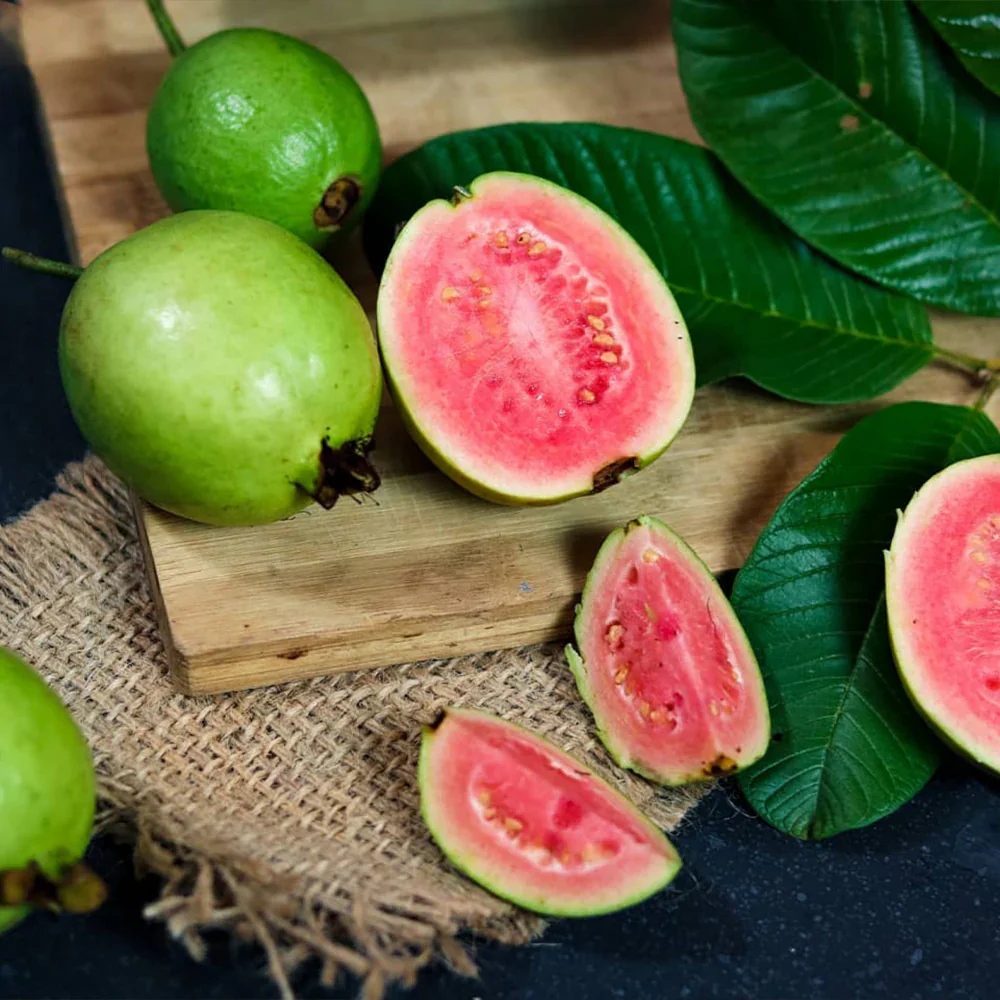
Indulge your senses with the exquisite Thaiwan Pink Guava, a tropical delight renowned for its sweet, juicy flesh and vibrant pink hue. This exotic fruit tree is a prized possession for home gardeners and commercial growers alike.
Key Features & Benefits
- Sweet and Juicy: Experience the burst of sweetness in every bite.
- Vibrant Pink Hue: Add a splash of color to your garden and fruit bowl.
- Rich in Nutrients: Packed with essential vitamins and minerals.
- Versatile Fruit: Enjoy fresh, juiced, or in various culinary creations.
- Ornamental Value: A beautiful addition to any landscape.
Plant Care Guide
Ideal Plantation Locations
Thaiwan Pink Guava thrives in warm, tropical climates with ample sunlight. Well-drained, slightly acidic soil is ideal.
Planting & Gardening Instructions
- Location: Choose a sunny spot with protection from strong winds.
- Soil Preparation: Prepare the soil by adding well-rotted organic matter to improve drainage and fertility.
- Planting: Dig a hole twice the size of the root ball and plant the guava tree at the same depth as it was in the pot.
- Spacing: Plant guava trees 10-15 feet apart.
Watering
Water the tree regularly, especially during dry periods. Allow the soil to dry slightly between waterings to prevent root rot.
Fertilizers
Apply a balanced, slow-release fertilizer once a year during the growing season.
Repotting Instructions
Re-pot your guava tree every 2-3 years or when it becomes root-bound. Use a pot one size larger and fresh, well-draining potting mix.
Fruiting Season
Thaiwan Pink Guava typically fruits during the summer months.
Usage Ideas
- Fresh consumption
- Juicing
- Smoothies
- Jams and jellies
- Culinary creations
Care Tips
- Pest and Disease Control: Monitor for common pests like fruit flies and scale insects. Treat promptly with organic or chemical insecticides.
- Pruning: Prune regularly to maintain shape and encourage fruit production.
- Mulching: Apply a layer of organic mulch around the base of the tree to conserve moisture and suppress weeds.