Thai ixora
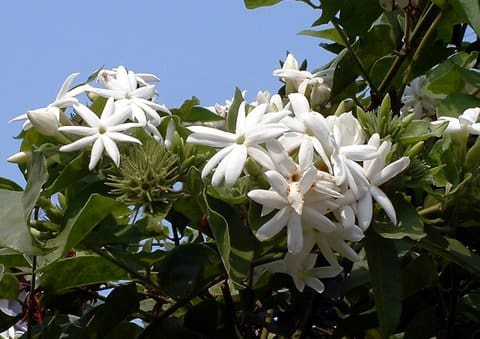
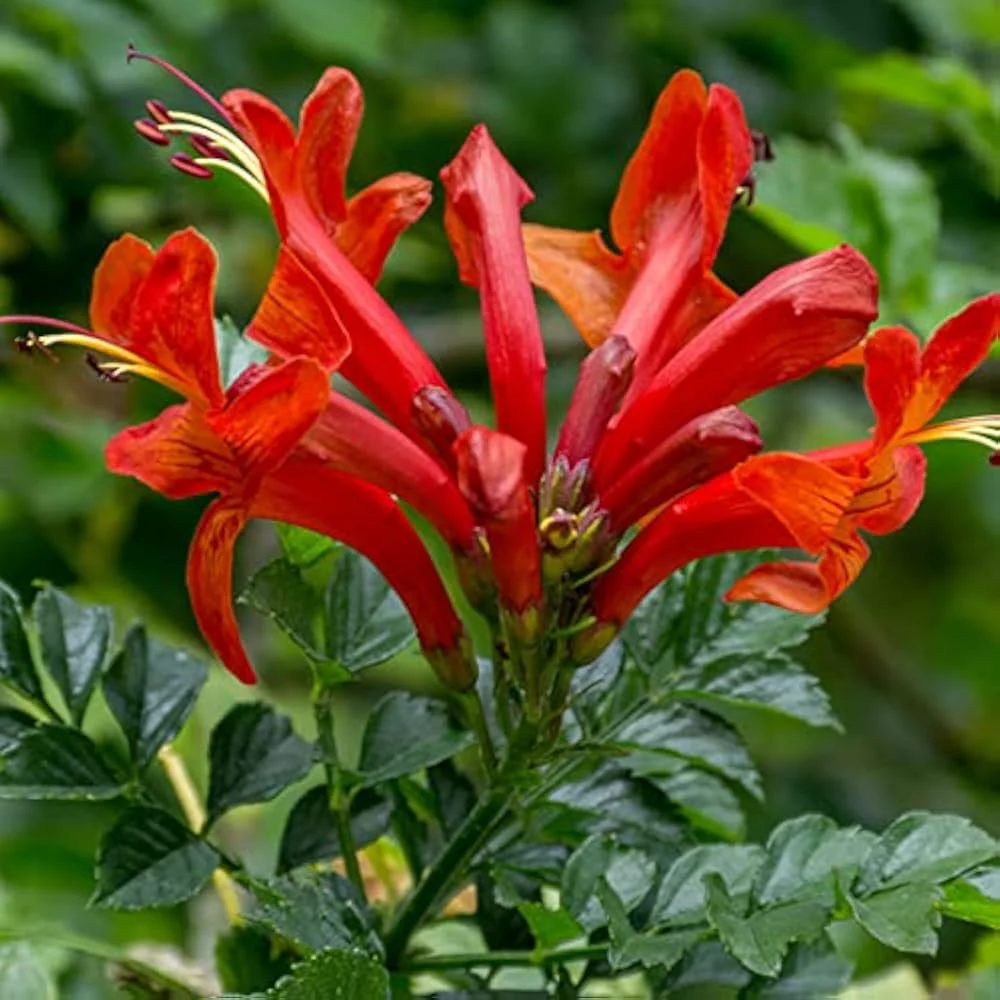
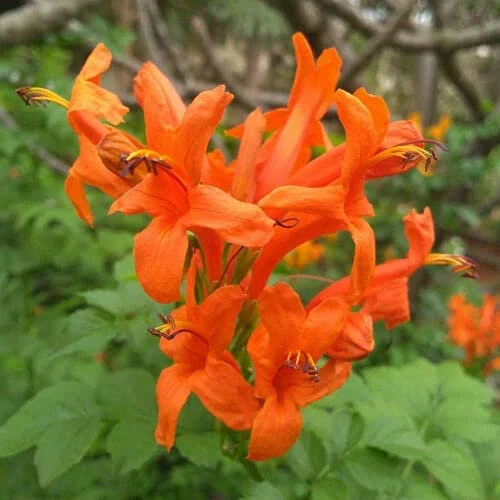
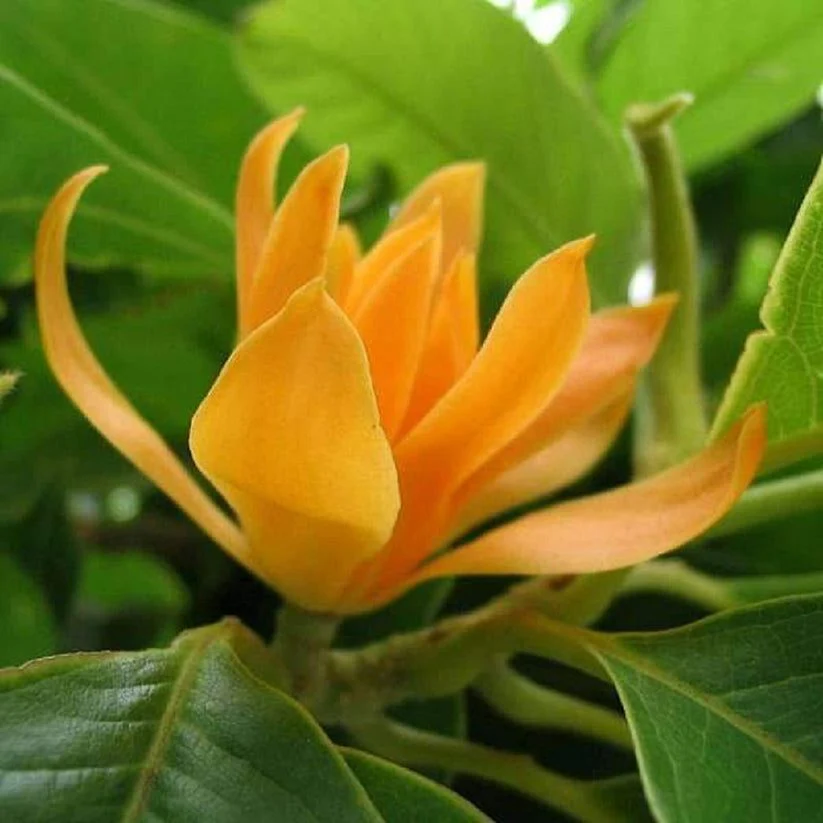
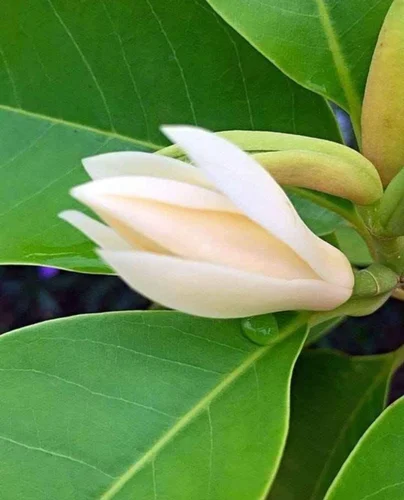
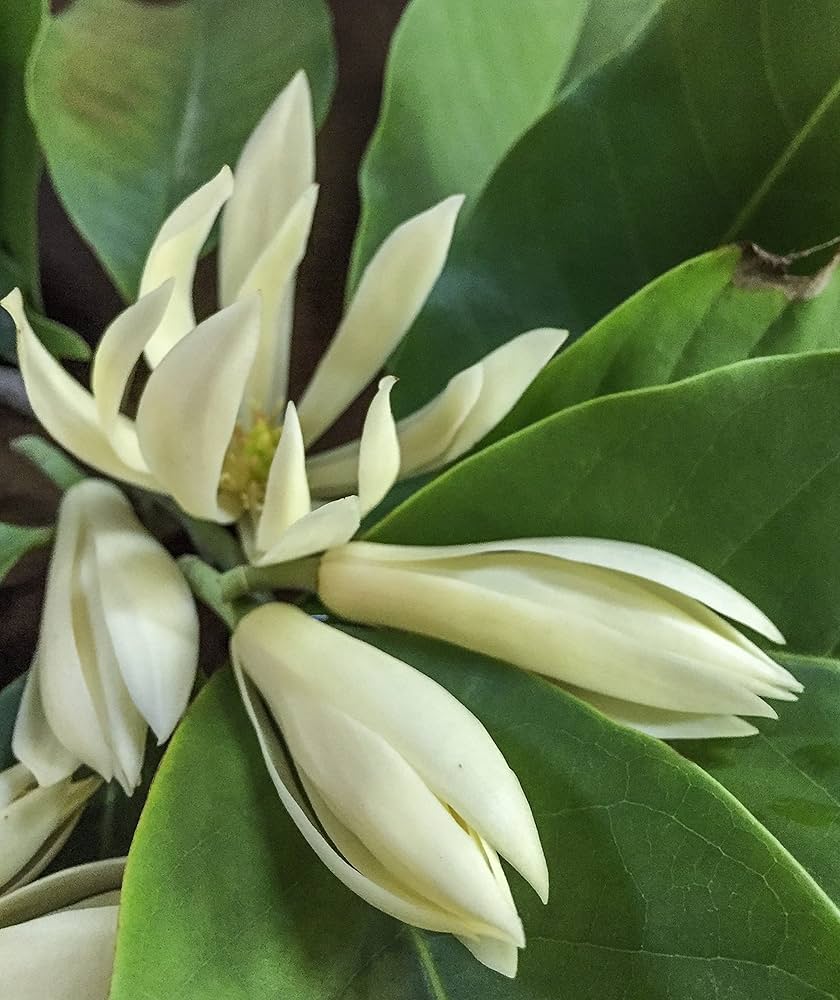
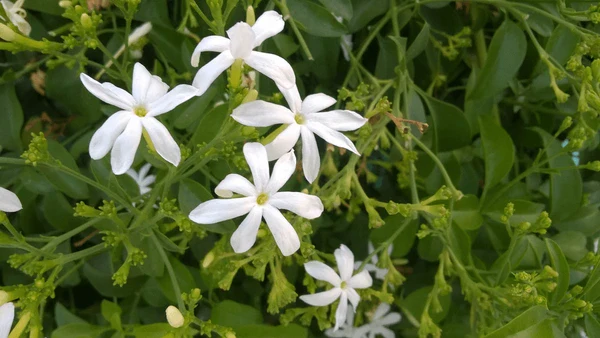
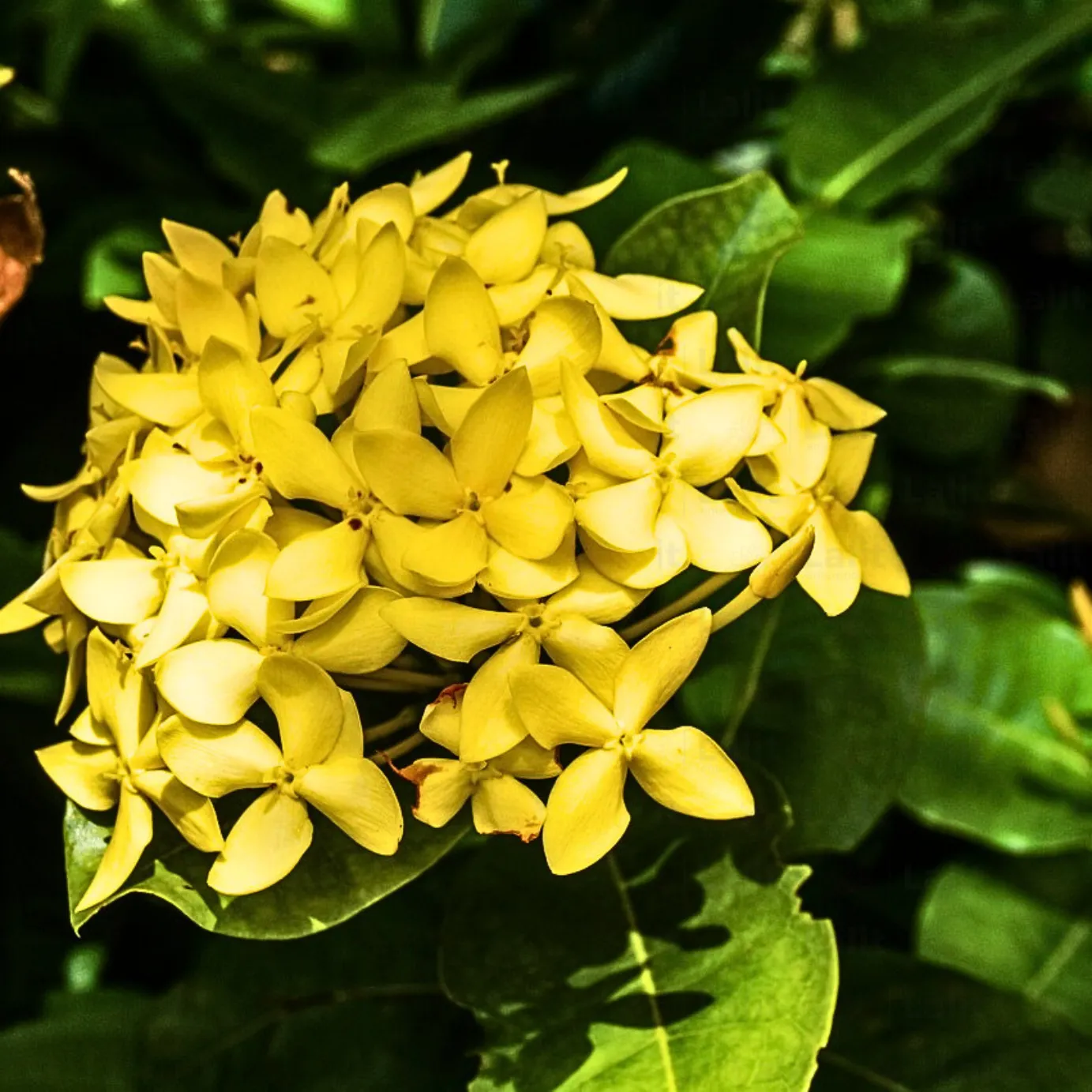
The Thai ixora, a captivating evergreen shrub, is renowned for its stunning clusters of vibrant flowers that bloom profusely throughout the year. This tropical beauty adds a touch of exotic elegance to any garden, patio, or indoor space. With its low-maintenance nature and adaptability, the Thai ixora is a popular choice for both experienced and novice gardeners.
Key Features & Benefits
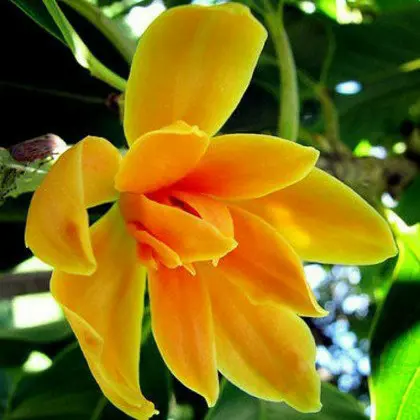
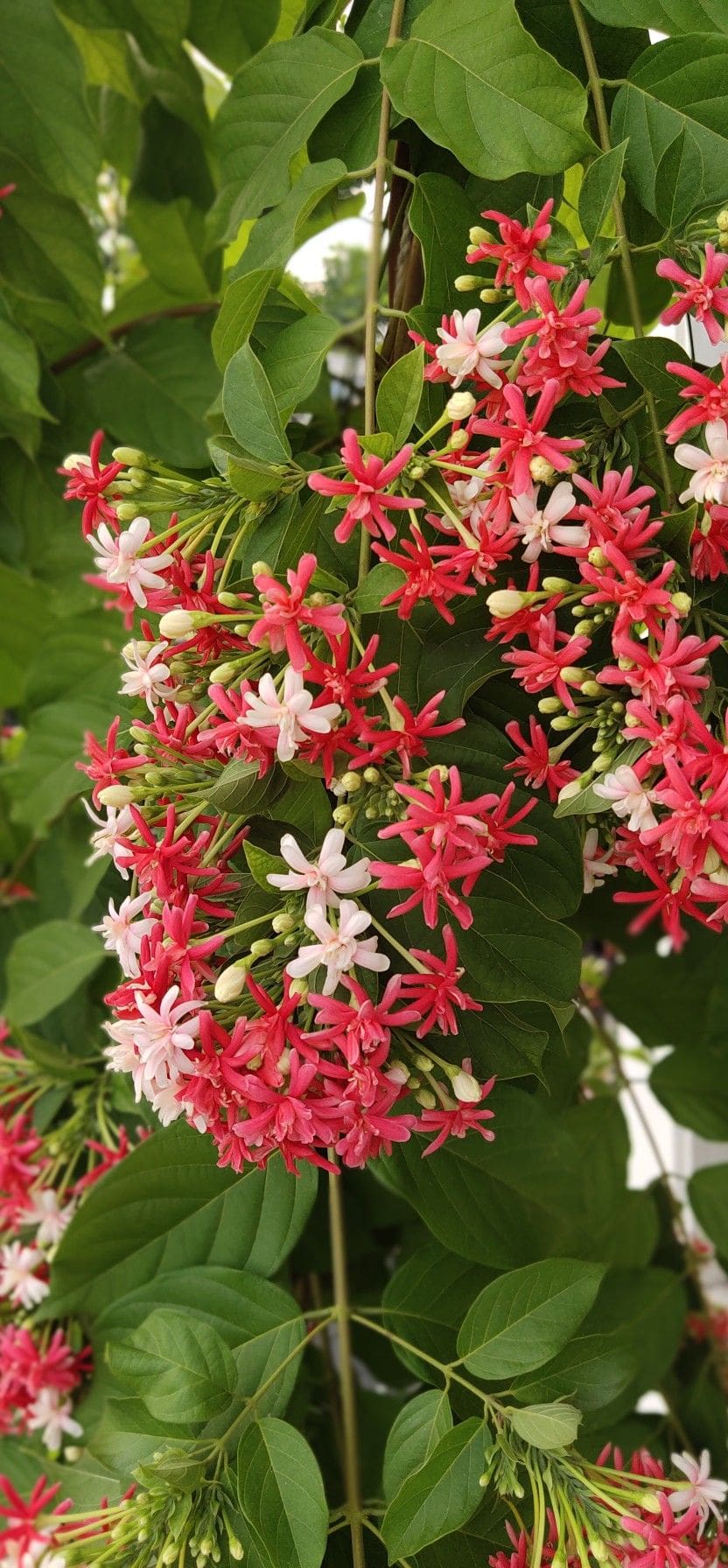
- Vibrant Blooms: Available in a wide array of colors, from fiery reds and oranges to delicate pinks and yellows, the Thai ixora provides a continuous display of breathtaking color.
- Low Maintenance: This hardy shrub thrives in warm climates with minimal care, making it an ideal choice for busy gardeners.
- Attracts Pollinators: The fragrant flowers of the Thai ixora attract a variety of beneficial pollinators, such as butterflies and hummingbirds, to your garden.
- Versatile Use: Suitable for a variety of applications, including hedges, borders, container gardens, and even indoor plants.
- Drought Tolerant: Once established, the Thai ixora can withstand periods of drought, making it a water-wise choice for your landscape.
Plant Care Guide
Ideal Plantation Locations
The Thai ixora thrives in warm, tropical climates with plenty of sunlight. It prefers well-drained soil rich in organic matter. Suitable regions include USDA hardiness zones 9-11.
Planting & Gardening Instructions
- Location: Choose a sunny location that receives at least 6 hours of direct sunlight per day.
- Soil Preparation: Amend the soil with compost or well-rotted manure to improve drainage and fertility.
-
Planting: Dig a hole slightly larger than the root ball 1 and plant the ixora at the same depth as it was growing in the pot.
- Spacing: Space plants 2-3 feet apart for optimal growth and air circulation.
Watering
Water deeply and thoroughly after planting. Once established, the Thai ixora is drought-tolerant but benefits from regular watering during dry periods.
Fertilizers
Fertilize monthly during the growing season (spring and summer) with a balanced liquid fertilizer.
Re-potting Instructions
Re-pot young ixora plants annually in the spring using a well-draining potting mix. For larger, established plants, repot every 2-3 years.
Fruiting Season
The Thai ixora produces small, berry-like fruits after flowering. However, the primary ornamental value lies in its stunning blooms.
Usage Ideas
- Garden Borders: Create vibrant, low-maintenance borders along walkways and pathways.
- Hedges: Plant in rows to form colorful, dense hedges for privacy and screening.
- Container Gardens: Grow in decorative containers on patios, balconies, and decks.
- Indoor Plants: Cultivate as an attractive houseplant in bright, sunny locations.
- Gifting: Make a beautiful and long-lasting gift for gardening enthusiasts.
Care Tips
- Pruning: Prune lightly after flowering to shape and encourage bushier growth.
- Pest Control: Monitor for pests like aphids and scale insects, and treat as needed with insecticidal soap.
- Mulching: Apply a layer of organic mulch around the base of the plant to conserve moisture and suppress weeds.
Original: $1.39
-70%$1.39
$0.42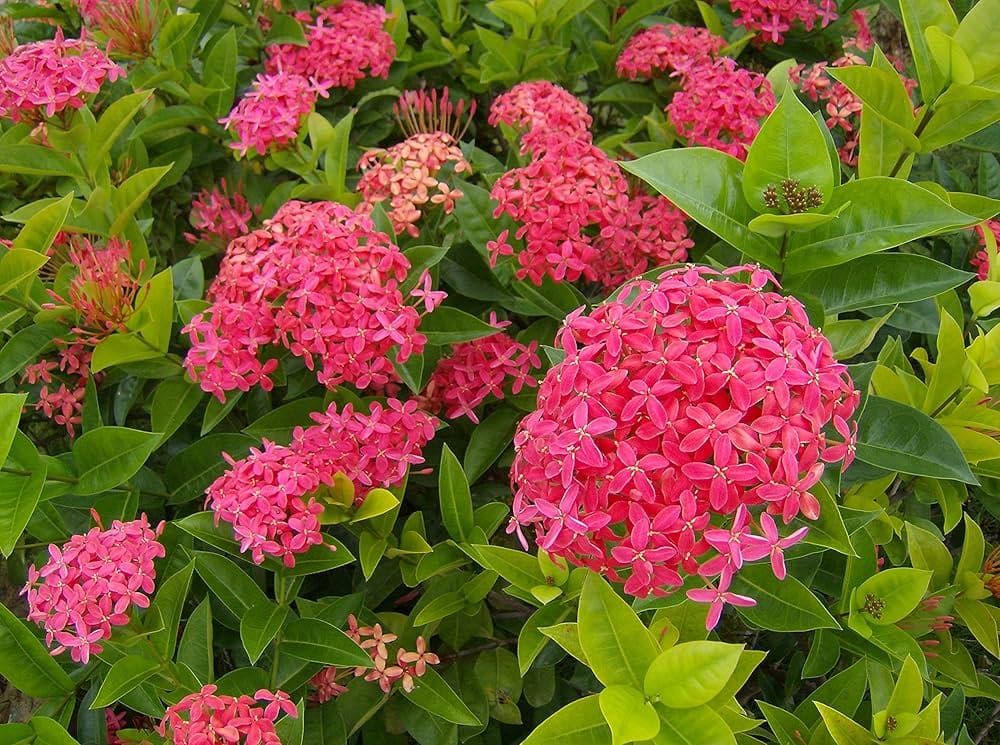
Description
The Thai ixora, a captivating evergreen shrub, is renowned for its stunning clusters of vibrant flowers that bloom profusely throughout the year. This tropical beauty adds a touch of exotic elegance to any garden, patio, or indoor space. With its low-maintenance nature and adaptability, the Thai ixora is a popular choice for both experienced and novice gardeners.
Key Features & Benefits
- Vibrant Blooms: Available in a wide array of colors, from fiery reds and oranges to delicate pinks and yellows, the Thai ixora provides a continuous display of breathtaking color.
- Low Maintenance: This hardy shrub thrives in warm climates with minimal care, making it an ideal choice for busy gardeners.
- Attracts Pollinators: The fragrant flowers of the Thai ixora attract a variety of beneficial pollinators, such as butterflies and hummingbirds, to your garden.
- Versatile Use: Suitable for a variety of applications, including hedges, borders, container gardens, and even indoor plants.
- Drought Tolerant: Once established, the Thai ixora can withstand periods of drought, making it a water-wise choice for your landscape.
Plant Care Guide
Ideal Plantation Locations
The Thai ixora thrives in warm, tropical climates with plenty of sunlight. It prefers well-drained soil rich in organic matter. Suitable regions include USDA hardiness zones 9-11.
Planting & Gardening Instructions
- Location: Choose a sunny location that receives at least 6 hours of direct sunlight per day.
- Soil Preparation: Amend the soil with compost or well-rotted manure to improve drainage and fertility.
-
Planting: Dig a hole slightly larger than the root ball 1 and plant the ixora at the same depth as it was growing in the pot.
- Spacing: Space plants 2-3 feet apart for optimal growth and air circulation.
Watering
Water deeply and thoroughly after planting. Once established, the Thai ixora is drought-tolerant but benefits from regular watering during dry periods.
Fertilizers
Fertilize monthly during the growing season (spring and summer) with a balanced liquid fertilizer.
Re-potting Instructions
Re-pot young ixora plants annually in the spring using a well-draining potting mix. For larger, established plants, repot every 2-3 years.
Fruiting Season
The Thai ixora produces small, berry-like fruits after flowering. However, the primary ornamental value lies in its stunning blooms.
Usage Ideas
- Garden Borders: Create vibrant, low-maintenance borders along walkways and pathways.
- Hedges: Plant in rows to form colorful, dense hedges for privacy and screening.
- Container Gardens: Grow in decorative containers on patios, balconies, and decks.
- Indoor Plants: Cultivate as an attractive houseplant in bright, sunny locations.
- Gifting: Make a beautiful and long-lasting gift for gardening enthusiasts.
Care Tips
- Pruning: Prune lightly after flowering to shape and encourage bushier growth.
- Pest Control: Monitor for pests like aphids and scale insects, and treat as needed with insecticidal soap.
- Mulching: Apply a layer of organic mulch around the base of the plant to conserve moisture and suppress weeds.