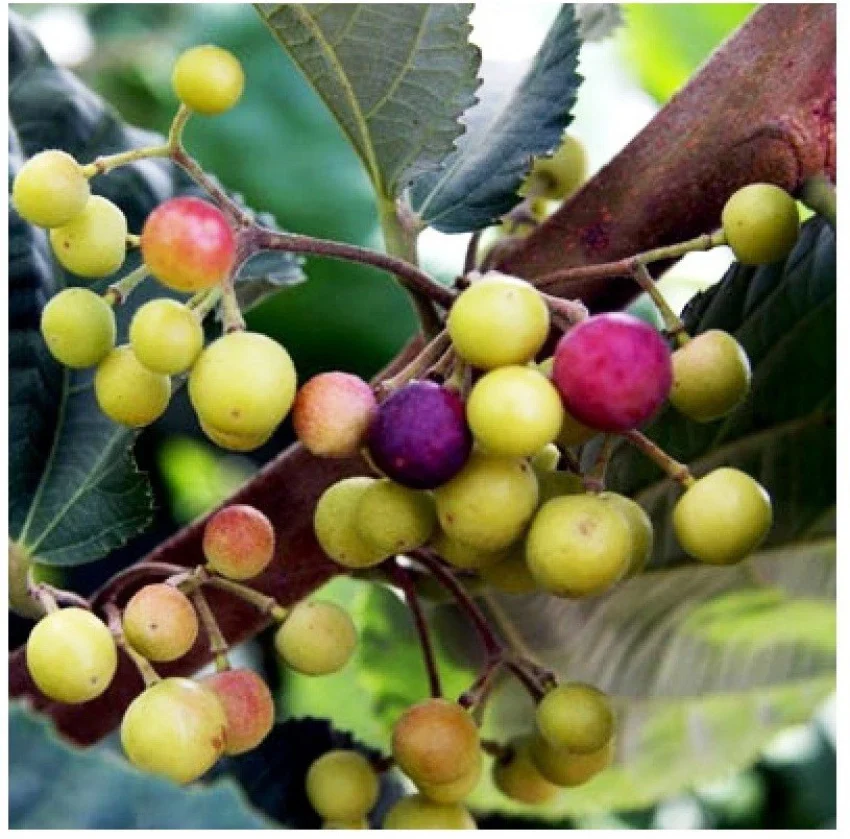
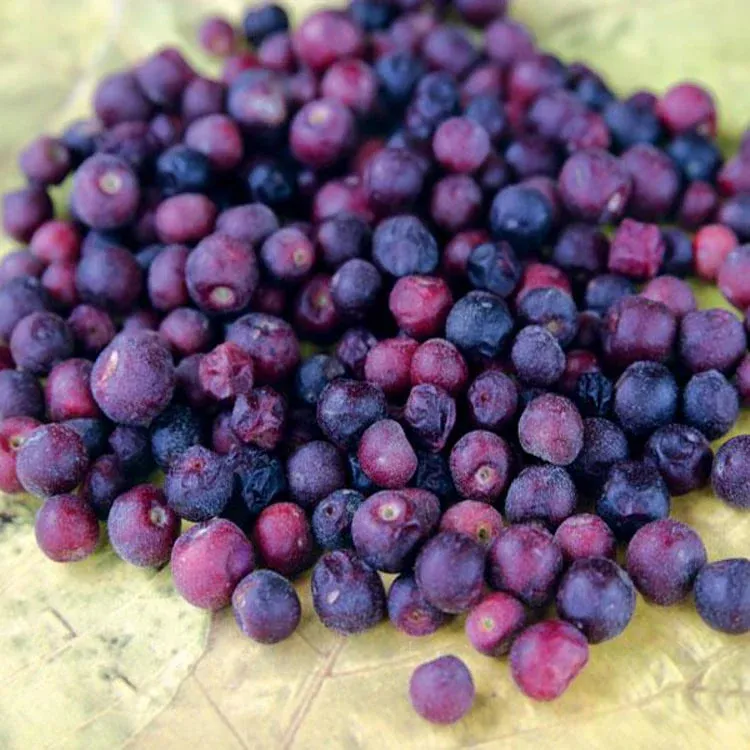
Red Custard Apple ( Grafted )
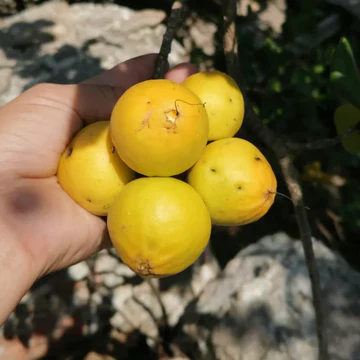
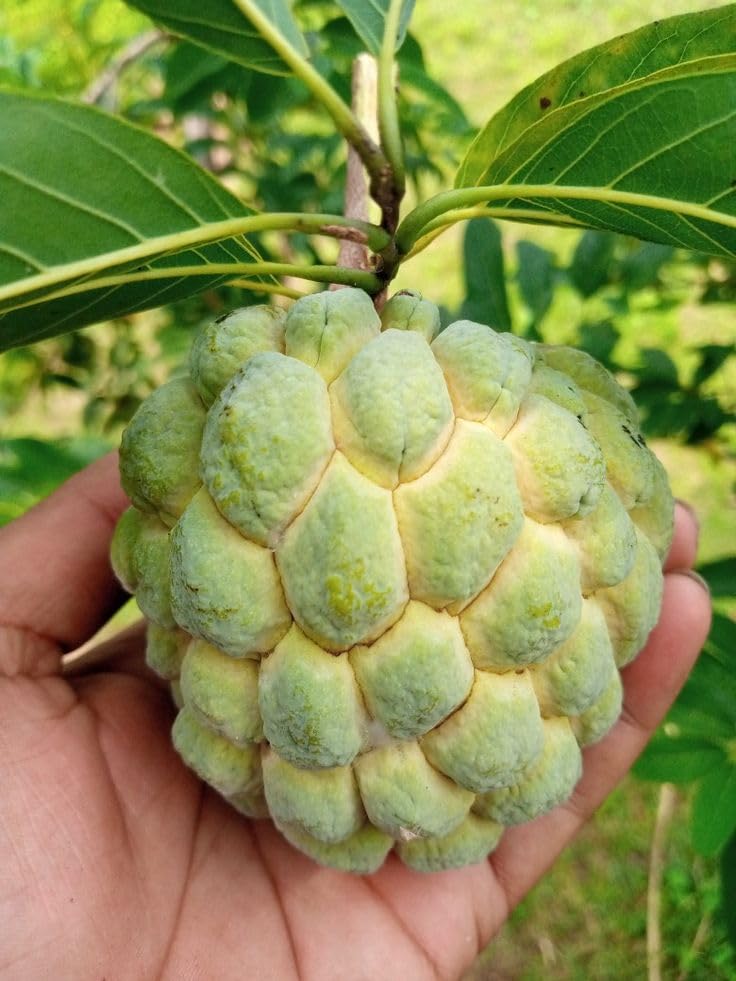
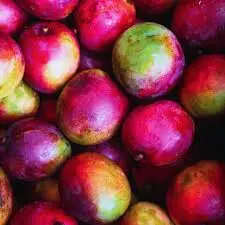
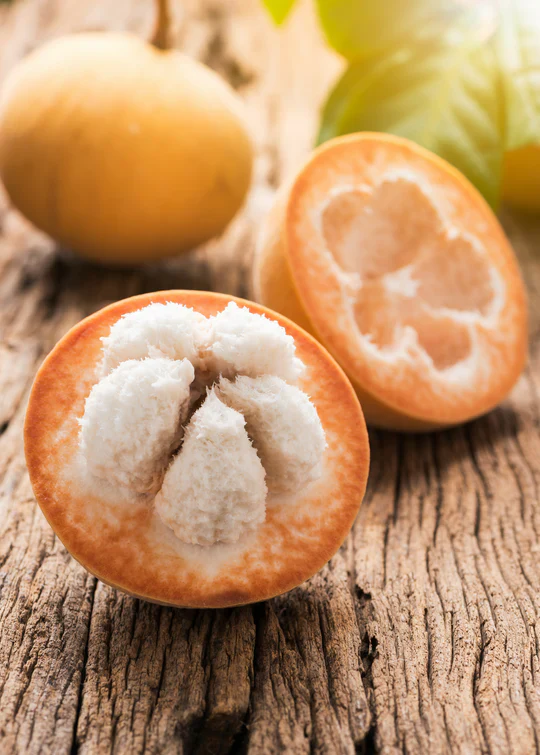
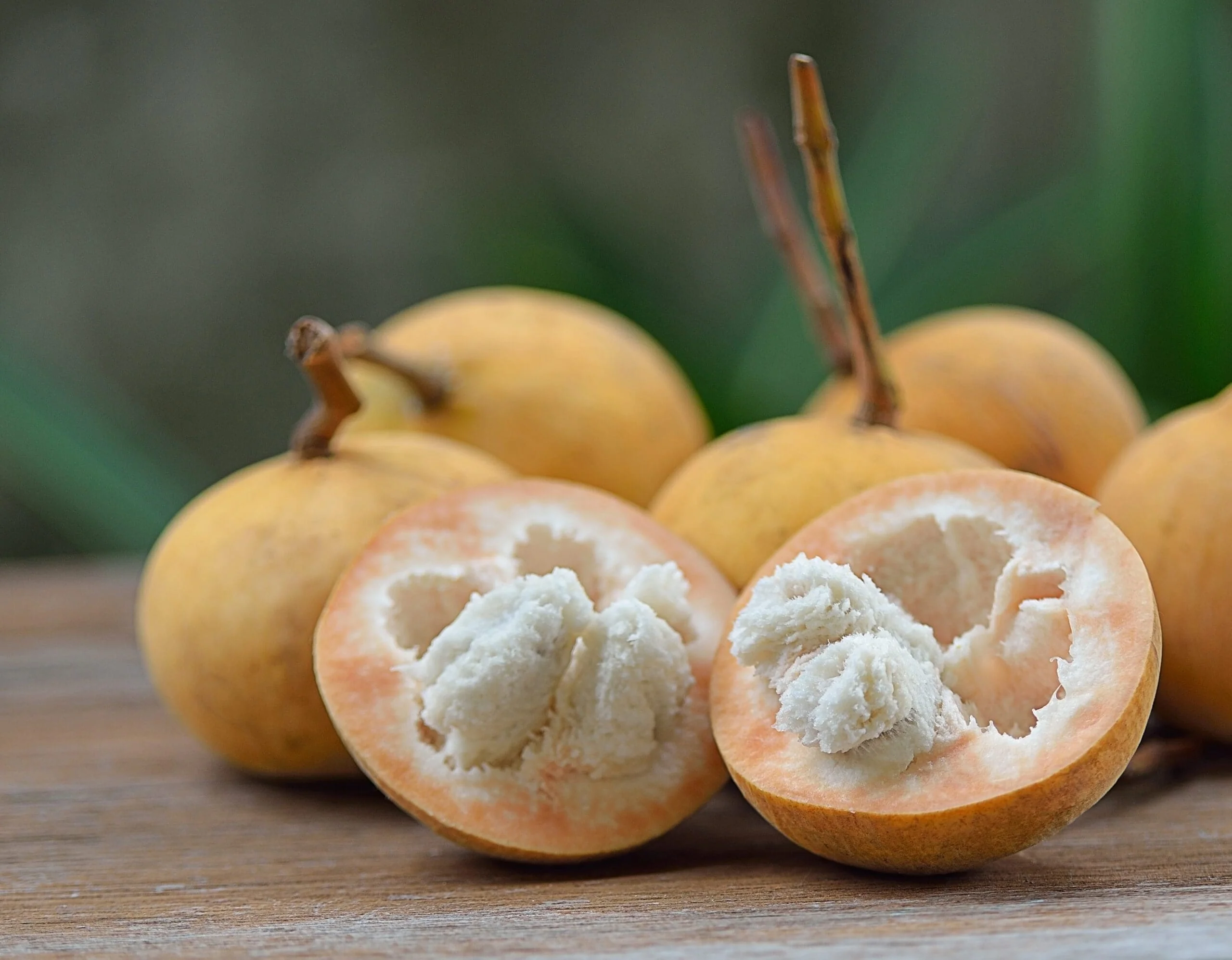
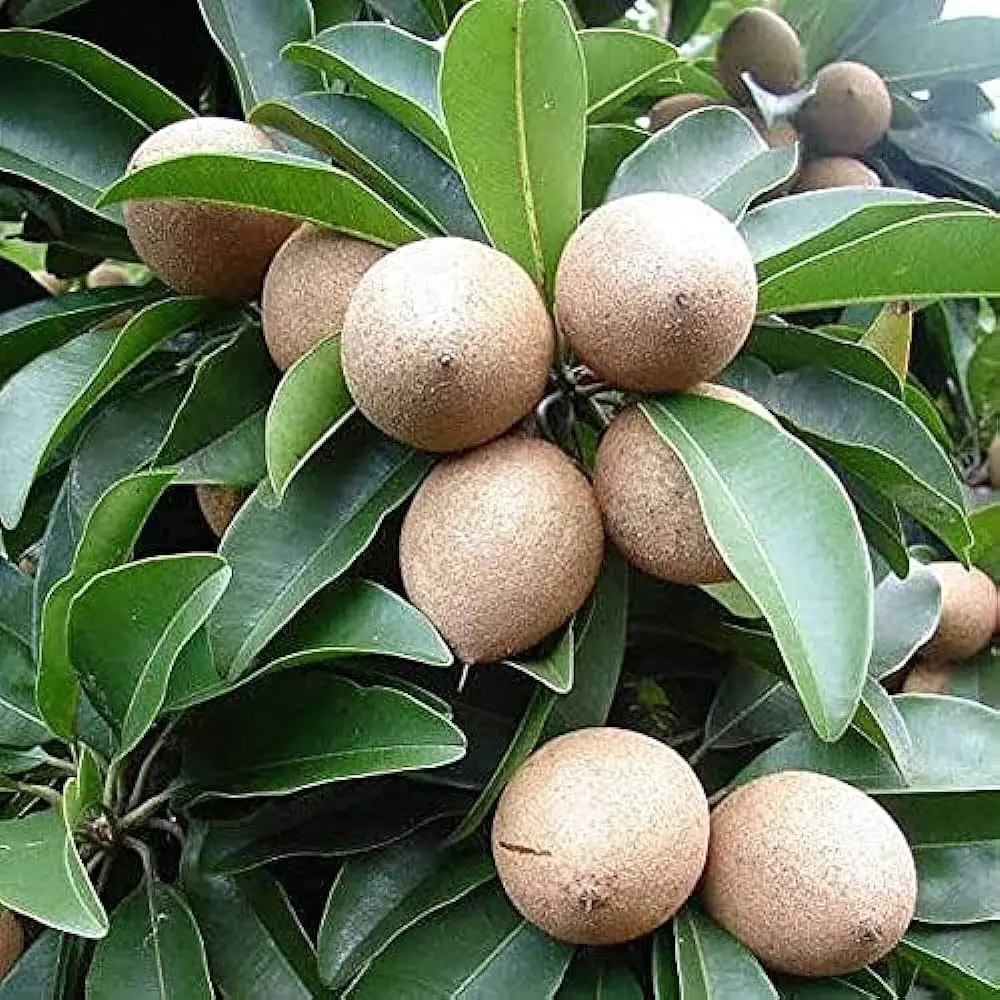
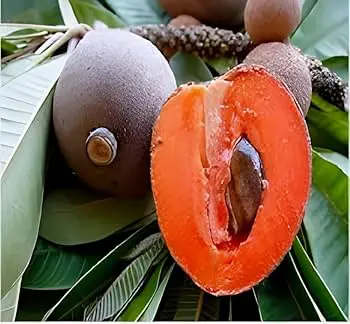
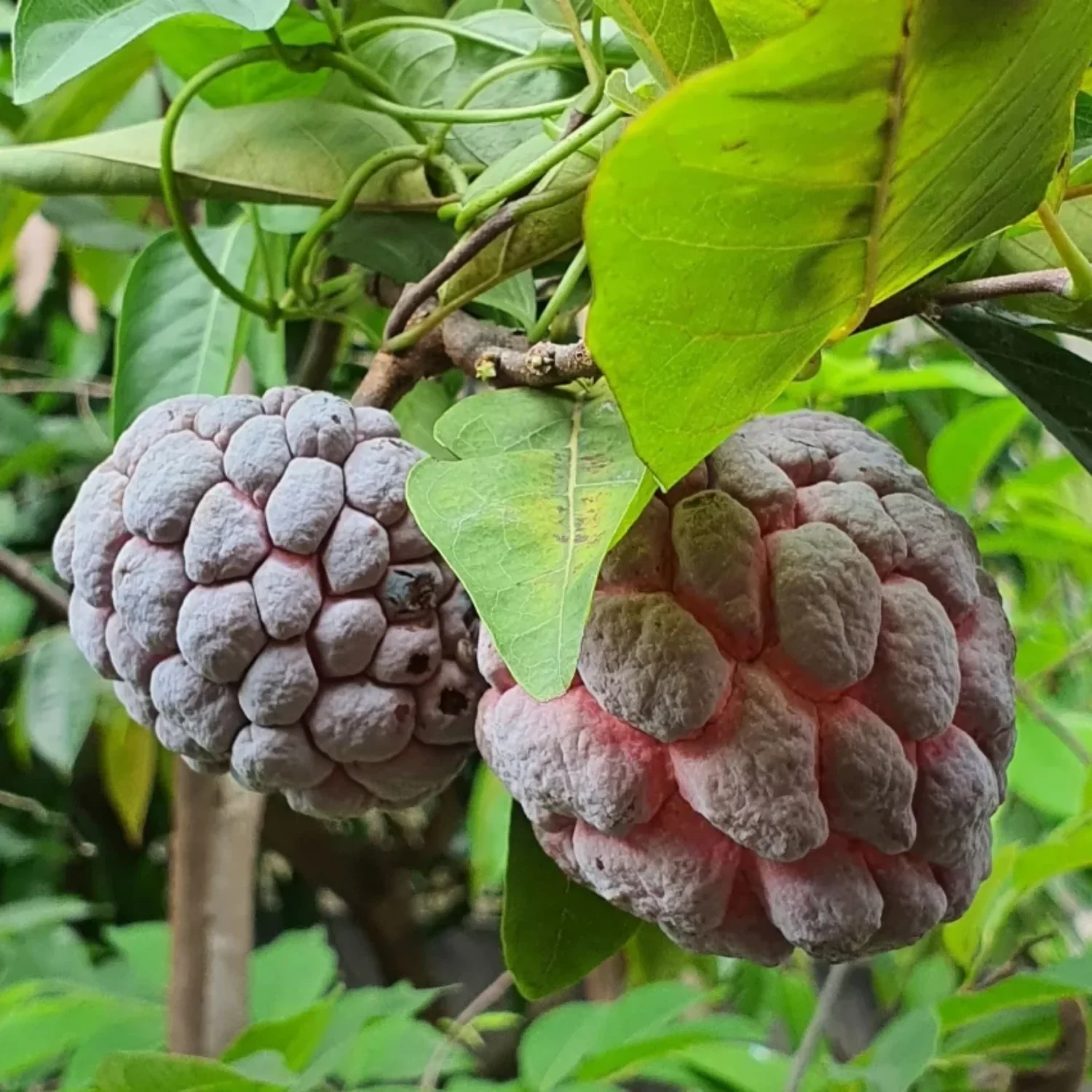
Indulge your senses with the exotic flavors of the Red Custard Apple. This grafted variety offers a superior fruit experience, boasting a vibrant red hue and a luscious, creamy texture. Perfect for home gardens, balconies, or patios, this tropical gem is sure to elevate your culinary adventures.
Key Features & Benefits
- Vibrant Red Color: The striking red color of the fruit is a visual treat.
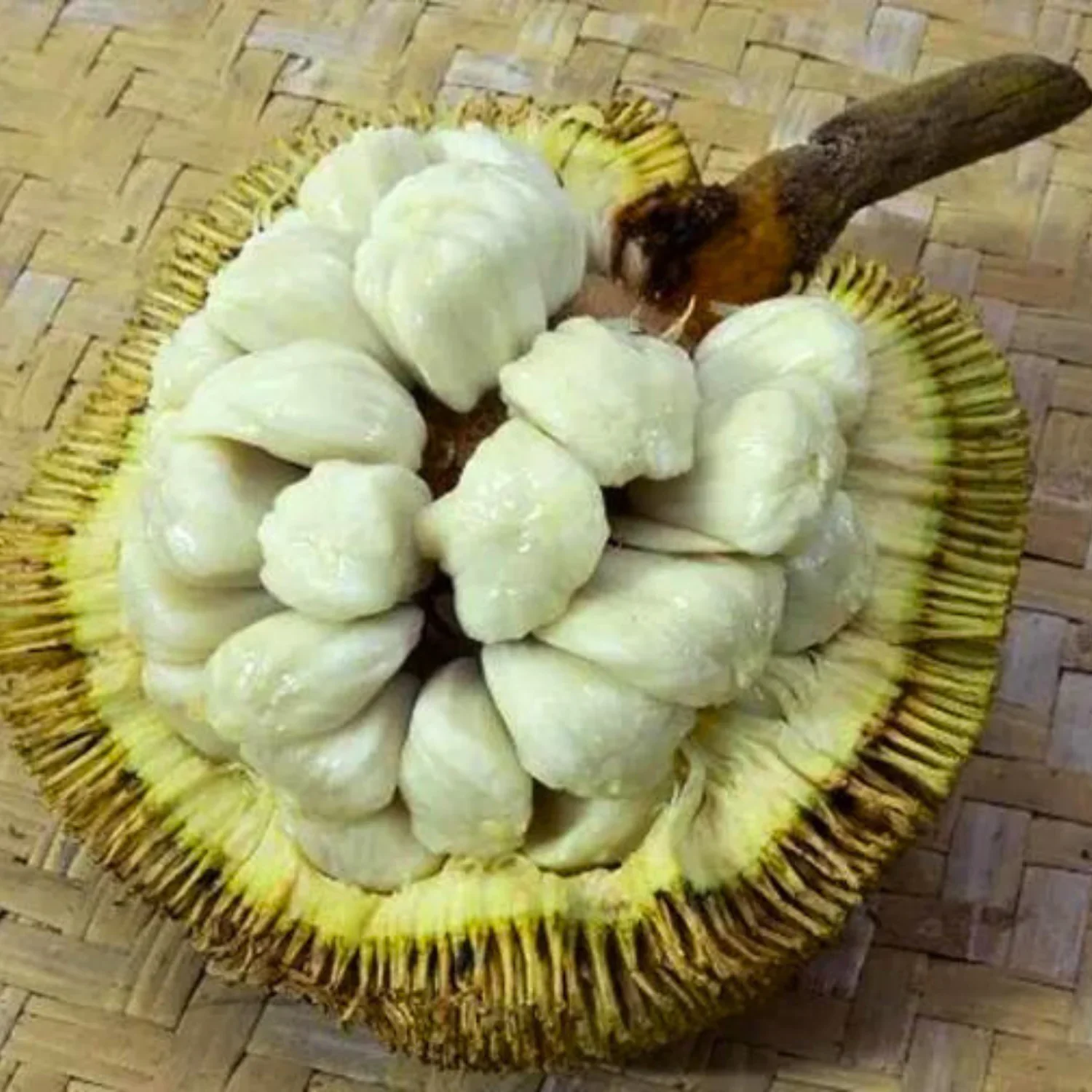
- Rich, Creamy Texture: Enjoy the smooth, custard-like consistency.
- Sweet and Tangy Flavor: Experience a delightful blend of sweet and tangy notes.
- Nutrient-Packed: A great source of vitamins, minerals, and antioxidants.
- Easy to Grow: Even novice gardeners can cultivate this rewarding plant.
Plant Care Guide
Ideal Plantation Locations
Red Custard Apple trees thrive in warm, tropical climates with plenty of sunlight. They prefer well-drained, loamy soil.
Planting & Gardening Instructions
- Location: Choose a sunny spot with ample airflow.
- Soil Preparation: Prepare the soil by mixing in well-rotted organic matter to improve drainage and fertility.
- Planting: Plant the grafted sapling at the same depth as it was in the nursery pot.
- Spacing: Maintain a distance of 8-10 feet between trees.
Watering
Water regularly, especially during dry periods. However, avoid overwatering, as it can lead to root rot.
Fertilizers
Apply a balanced, slow-release fertilizer every 2-3 months during the growing season.
Repotting Instructions
Re-pot your Red Custard Apple tree every 2-3 years, or when the roots become pot-bound. Use a larger pot and fresh, well-draining potting mix.
Fruiting Season
Typically, Red Custard Apple trees start fruiting within 2-3 years after planting. The peak fruiting season is usually during the summer months.
Usage Ideas
- Fresh Consumption: Enjoy the fruits directly from the tree.
- Culinary Delights: Use the pulp to make delicious desserts, smoothies, and ice creams.
- Ornamental Plant: The tree's attractive foliage and vibrant fruits can enhance your garden's beauty.
Care Tips
- Pest Control: Monitor for common pests like mealybugs and scale insects. Treat infestations promptly with organic or chemical insecticides.
- Pruning: Prune regularly to maintain the tree's shape and encourage fruit production.
- Mulching: Apply a layer of organic mulch around the base of the tree to conserve moisture and suppress weeds.
Original: $2.57
-70%$2.57
$0.77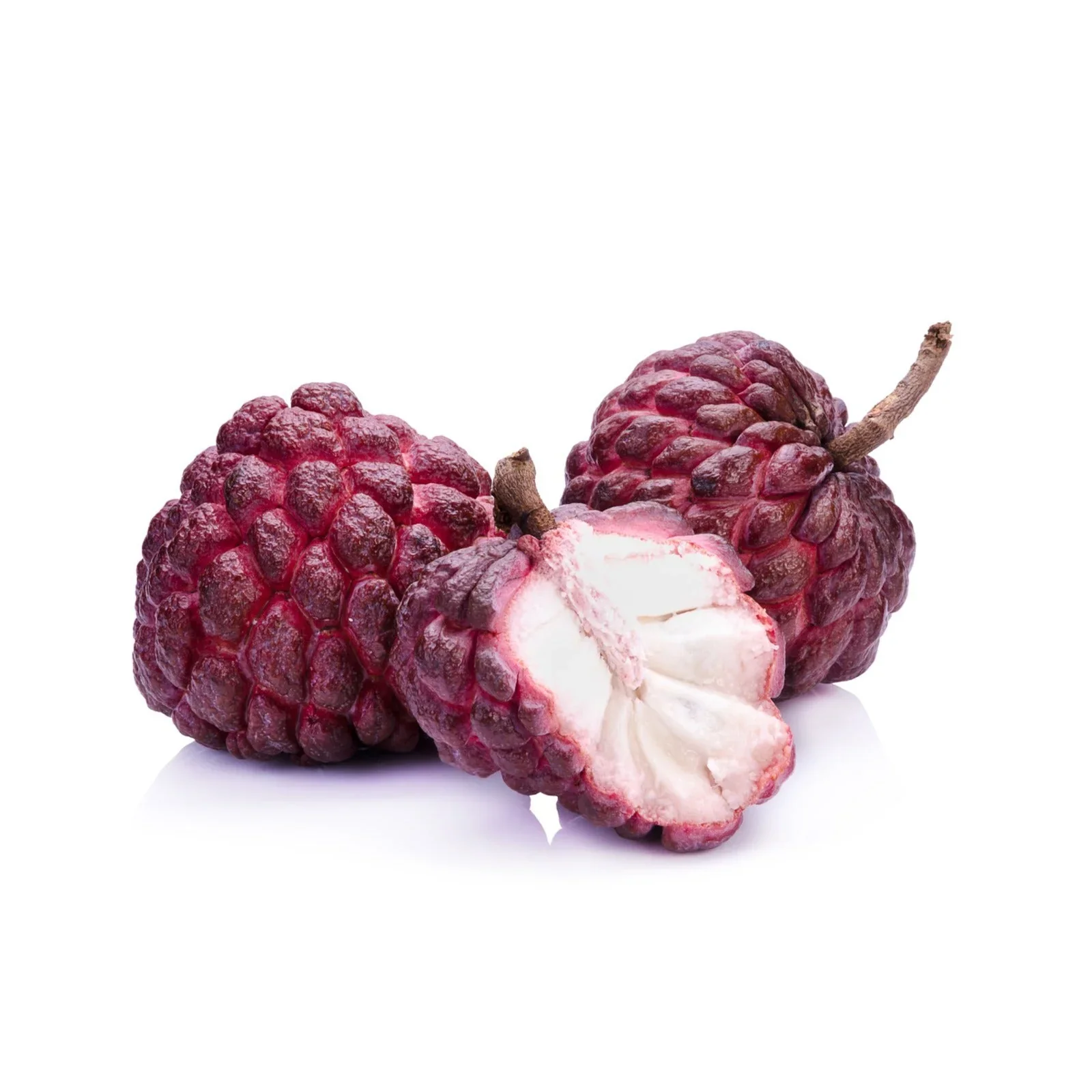
Description
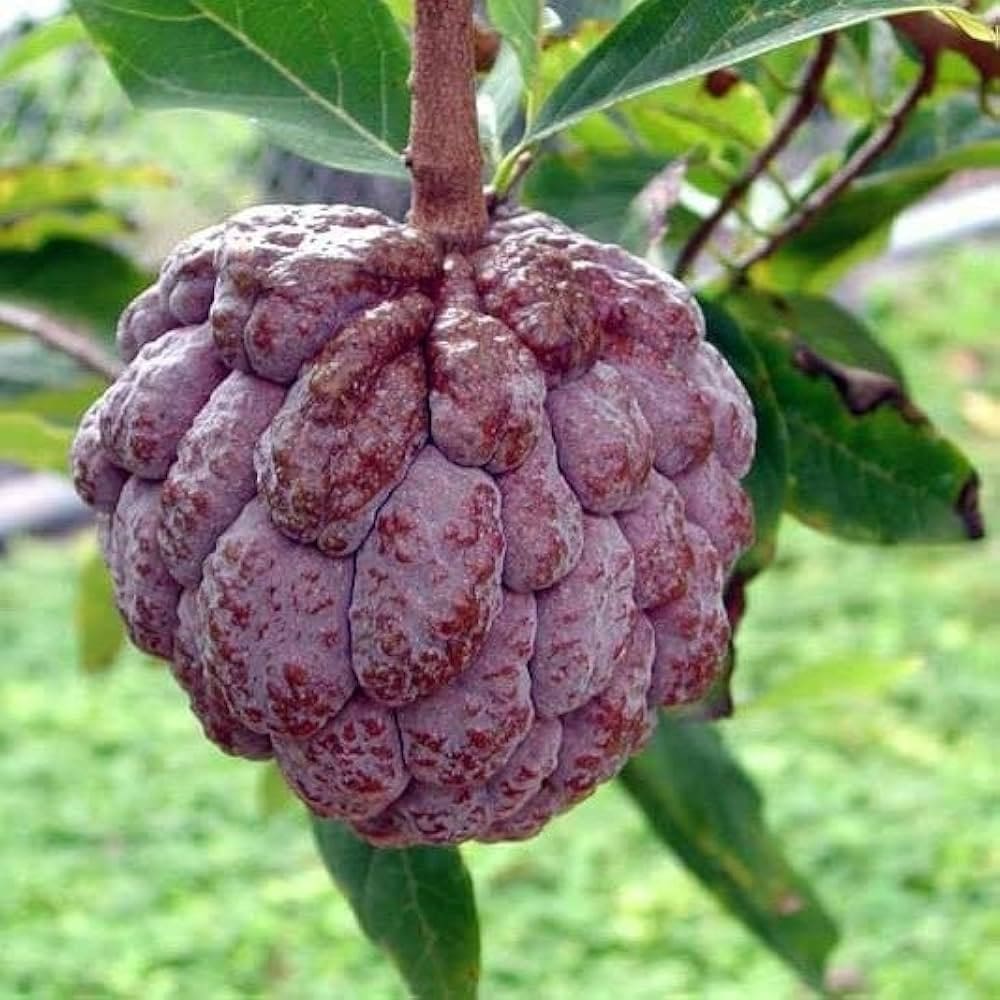
Indulge your senses with the exotic flavors of the Red Custard Apple. This grafted variety offers a superior fruit experience, boasting a vibrant red hue and a luscious, creamy texture. Perfect for home gardens, balconies, or patios, this tropical gem is sure to elevate your culinary adventures.
Key Features & Benefits
- Vibrant Red Color: The striking red color of the fruit is a visual treat.
- Rich, Creamy Texture: Enjoy the smooth, custard-like consistency.
- Sweet and Tangy Flavor: Experience a delightful blend of sweet and tangy notes.
- Nutrient-Packed: A great source of vitamins, minerals, and antioxidants.
- Easy to Grow: Even novice gardeners can cultivate this rewarding plant.
Plant Care Guide
Ideal Plantation Locations
Red Custard Apple trees thrive in warm, tropical climates with plenty of sunlight. They prefer well-drained, loamy soil.
Planting & Gardening Instructions
- Location: Choose a sunny spot with ample airflow.
- Soil Preparation: Prepare the soil by mixing in well-rotted organic matter to improve drainage and fertility.
- Planting: Plant the grafted sapling at the same depth as it was in the nursery pot.
- Spacing: Maintain a distance of 8-10 feet between trees.
Watering
Water regularly, especially during dry periods. However, avoid overwatering, as it can lead to root rot.
Fertilizers
Apply a balanced, slow-release fertilizer every 2-3 months during the growing season.
Repotting Instructions
Re-pot your Red Custard Apple tree every 2-3 years, or when the roots become pot-bound. Use a larger pot and fresh, well-draining potting mix.
Fruiting Season
Typically, Red Custard Apple trees start fruiting within 2-3 years after planting. The peak fruiting season is usually during the summer months.
Usage Ideas
- Fresh Consumption: Enjoy the fruits directly from the tree.
- Culinary Delights: Use the pulp to make delicious desserts, smoothies, and ice creams.
- Ornamental Plant: The tree's attractive foliage and vibrant fruits can enhance your garden's beauty.
Care Tips
- Pest Control: Monitor for common pests like mealybugs and scale insects. Treat infestations promptly with organic or chemical insecticides.
- Pruning: Prune regularly to maintain the tree's shape and encourage fruit production.
- Mulching: Apply a layer of organic mulch around the base of the tree to conserve moisture and suppress weeds.