Peanut Butter ( Air Layer )
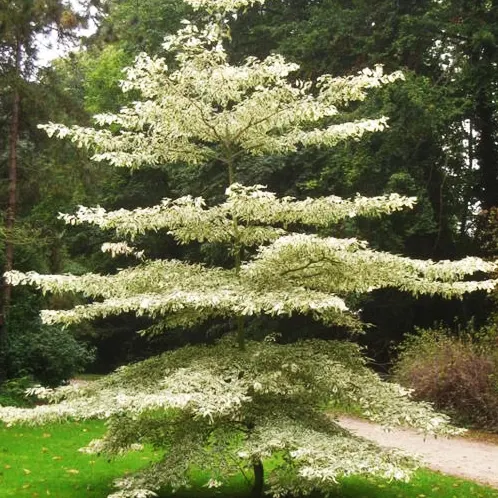
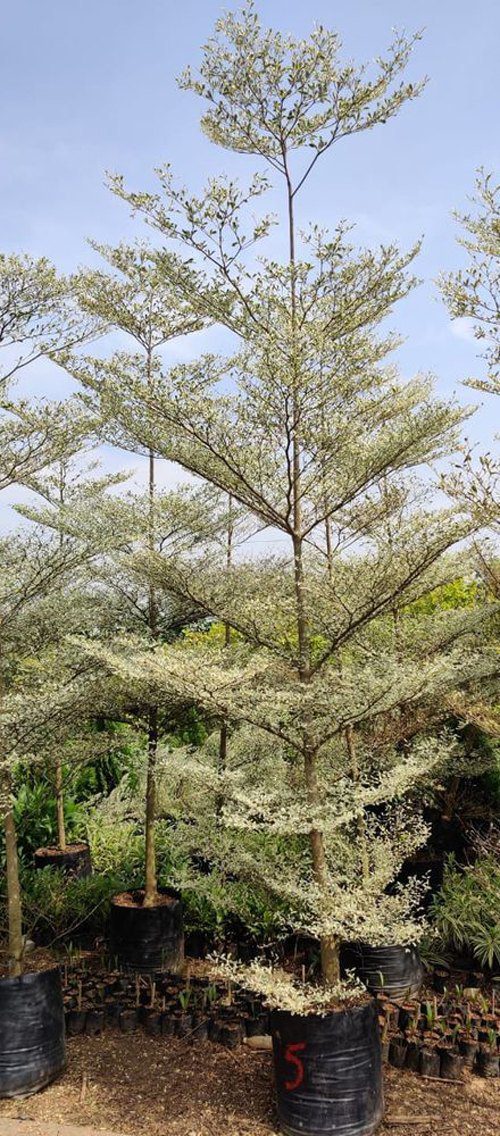
Experience the joy of growing your own peanuts with our premium "Peanut Butter" variety, propagated through the advanced Air Layering technique. This method ensures a strong, healthy root system and a vigorous plant that produces abundant, flavorful peanuts.
Key Features & Benefits
- Superior Quality: Air Layering guarantees a robust root system, leading to faster growth and higher yields.
- High-Yielding Variety: "Peanut Butter" is renowned for its prolific peanut production.
- Delicious Flavour: Enjoy the rich, nutty flavor of homegrown peanuts.
- Easy to Grow: Suitable for both experienced and novice gardeners.
- Versatility: Use your harvest for snacking, cooking, or even creating your own peanut butter.
Plant Care Guide
Ideal Plantation Locations
- Climate: Thrives in warm climates with ample sunshine and well-drained soil.
- Soil: Prefers sandy loam soil with good drainage to prevent root rot.
- Regions: Suitable for cultivation in most tropical and subtropical regions.
Planting & Gardening Instructions
- Location: Choose a sunny location with at least 6-8 hours of direct sunlight daily.
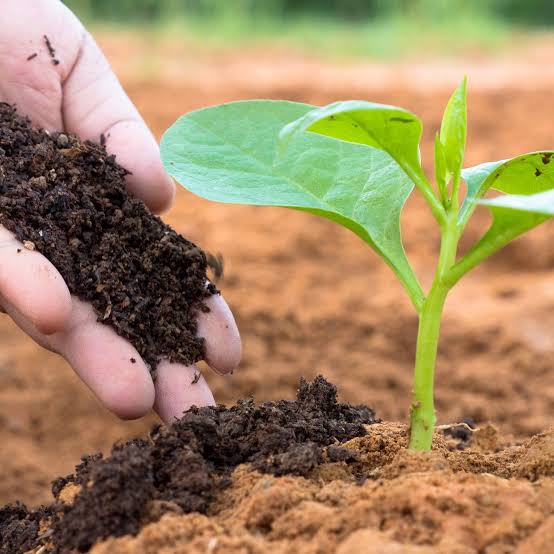
- Soil Preparation: Prepare the soil by tilling and incorporating organic matter like compost to improve drainage and fertility.
- Planting: Plant the Air Layered peanut plant carefully, ensuring the root ball is buried at the appropriate depth.
- Spacing: Maintain a spacing of 12-18 inches between plants to allow for adequate growth and air circulation.
Watering
- Water regularly, especially during dry periods.
- Avoid overwatering, as it can lead to root rot.
- Water deeply to encourage strong root development.
Fertilizers
- Apply a balanced fertilizer (e.g., 10-10-10) at the beginning of the growing season.
- Side-dress with nitrogen-rich fertilizer during the flowering and pegging stages.
- Follow fertilizer instructions carefully to avoid over-fertilizing.
Repotting Instructions
- Repotting is generally not necessary for peanut plants grown in the ground.
- If growing in containers, repot to a larger container when the roots become pot-bound.
Fruiting Season
- Peanuts typically mature within 120-150 days after planting.
- Harvest peanuts when the foliage begins to yellow and the pods mature.
Usage Ideas
- Enjoy as a healthy snack.
- Use in various culinary dishes, such as stir-fries, salads, and curries.
- Create your own homemade peanut butter.
- Grow as a decorative ground cover.
Care Tips
- Pest Control: Monitor for pests like aphids and caterpillars. Use organic pest control methods when necessary.
- Pruning: Prune any dead or damaged branches to maintain plant health.
- Mulching: Apply a layer of mulch around the base of the plant to conserve moisture and suppress weeds.
$0.97
Original: $3.22
-70%Peanut Butter ( Air Layer )—
$3.22
$0.97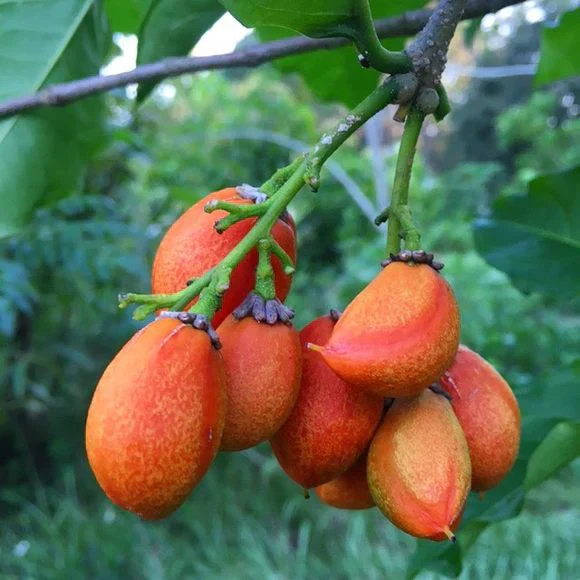
Description
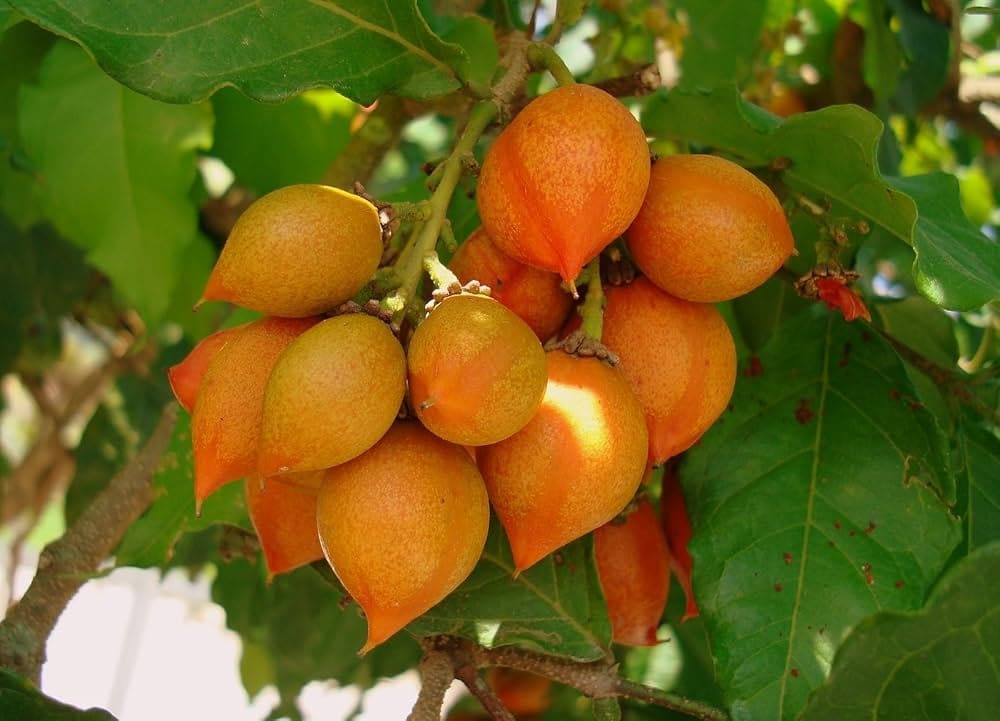
Experience the joy of growing your own peanuts with our premium "Peanut Butter" variety, propagated through the advanced Air Layering technique. This method ensures a strong, healthy root system and a vigorous plant that produces abundant, flavorful peanuts.
Key Features & Benefits
- Superior Quality: Air Layering guarantees a robust root system, leading to faster growth and higher yields.
- High-Yielding Variety: "Peanut Butter" is renowned for its prolific peanut production.
- Delicious Flavour: Enjoy the rich, nutty flavor of homegrown peanuts.
- Easy to Grow: Suitable for both experienced and novice gardeners.
- Versatility: Use your harvest for snacking, cooking, or even creating your own peanut butter.
Plant Care Guide
Ideal Plantation Locations
- Climate: Thrives in warm climates with ample sunshine and well-drained soil.
- Soil: Prefers sandy loam soil with good drainage to prevent root rot.
- Regions: Suitable for cultivation in most tropical and subtropical regions.
Planting & Gardening Instructions
- Location: Choose a sunny location with at least 6-8 hours of direct sunlight daily.
- Soil Preparation: Prepare the soil by tilling and incorporating organic matter like compost to improve drainage and fertility.
- Planting: Plant the Air Layered peanut plant carefully, ensuring the root ball is buried at the appropriate depth.
- Spacing: Maintain a spacing of 12-18 inches between plants to allow for adequate growth and air circulation.
Watering
- Water regularly, especially during dry periods.
- Avoid overwatering, as it can lead to root rot.
- Water deeply to encourage strong root development.
Fertilizers
- Apply a balanced fertilizer (e.g., 10-10-10) at the beginning of the growing season.
- Side-dress with nitrogen-rich fertilizer during the flowering and pegging stages.
- Follow fertilizer instructions carefully to avoid over-fertilizing.
Repotting Instructions
- Repotting is generally not necessary for peanut plants grown in the ground.
- If growing in containers, repot to a larger container when the roots become pot-bound.
Fruiting Season
- Peanuts typically mature within 120-150 days after planting.
- Harvest peanuts when the foliage begins to yellow and the pods mature.
Usage Ideas
- Enjoy as a healthy snack.
- Use in various culinary dishes, such as stir-fries, salads, and curries.
- Create your own homemade peanut butter.
- Grow as a decorative ground cover.
Care Tips
- Pest Control: Monitor for pests like aphids and caterpillars. Use organic pest control methods when necessary.
- Pruning: Prune any dead or damaged branches to maintain plant health.
- Mulching: Apply a layer of mulch around the base of the plant to conserve moisture and suppress weeds.