Peach Fruit
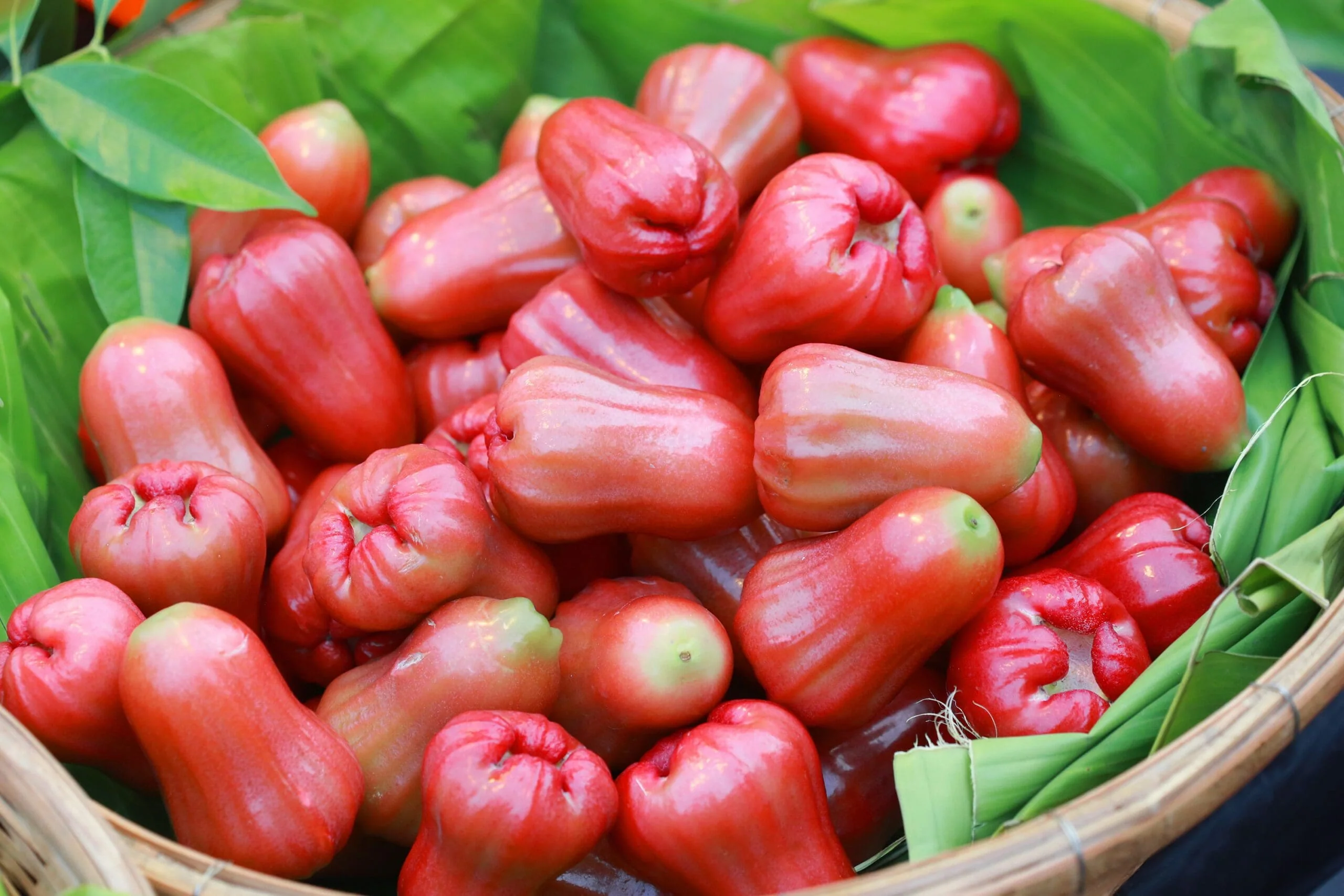
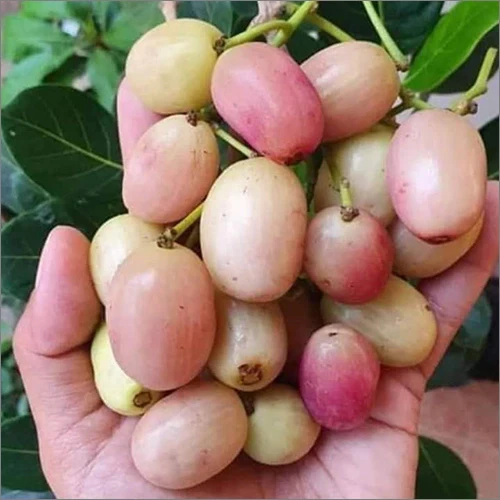
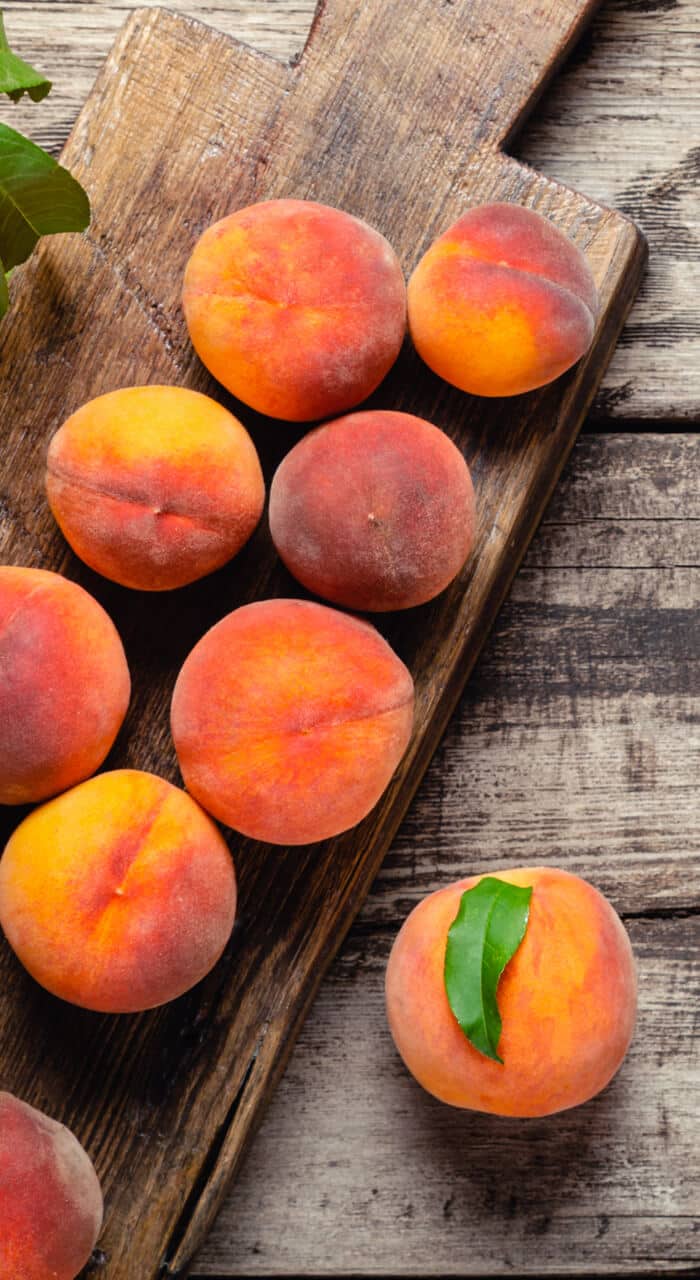
The Peach Tree (Prunus persica) is a deciduous tree renowned for its delicious, juicy, and aromatic fruits. Cultivated for centuries, peaches are a beloved summer treat enjoyed worldwide. This versatile tree not only provides a bountiful harvest but also adds beauty to any garden or orchard with its delicate pink blossoms in spring.
Key Features & Benefits
- Sweet and Juicy Fruit: Peaches are prized for their sweet, juicy flesh and delicate flavor. They are enjoyed fresh, canned, dried, or used in various culinary creations like jams, pies, and desserts.
- Beautiful Blossoms: Peach trees boast stunning pink or white blossoms in spring, adding a vibrant touch to any landscape.
- Easy to Grow: With proper care, peach trees are relatively easy to grow and maintain, making them a rewarding choice for both experienced and novice gardeners.
- Nutritional Value: Peaches are rich in vitamins (A, C), minerals (potassium), and antioxidants, making them a healthy addition to your diet.
- Versatility: Peaches can be grown in various settings, from small backyards to larger orchards.
Plant Care Guide
Ideal Plantation Locations
- Climate: Peach trees thrive in warm climates with full sun exposure. They prefer areas with mild winters and hot summers.
- Soil: Well-drained, loamy soil with a slightly acidic pH is ideal.
- Regions: Suitable regions include USDA hardiness zones 5-9.
Planting & Gardening Instructions
- Location: Choose a sunny location with good air circulation to prevent diseases.
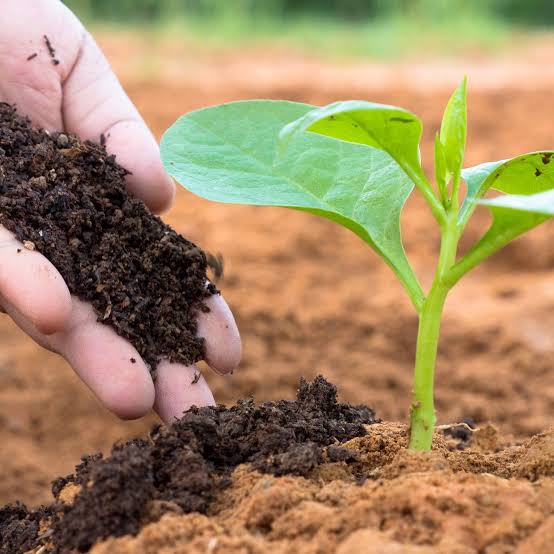
- Soil Preparation: Amend the soil with organic matter like compost to improve drainage and fertility.
- Planting: Plant the peach tree at the same depth it was growing in the nursery container.
- Spacing: Allow 15-20 feet of space between trees to accommodate their mature size.
Watering
- Frequency: Water deeply and regularly during the growing season, especially during dry periods.
- Techniques: Water at the base of the tree to avoid wetting the foliage, which can increase the risk of disease.
Fertilizers
- Types: Use a balanced fertilizer formulated for fruit trees in spring before new growth begins.
- Ratios: Follow the fertilizer instructions for the recommended application rate.
- Schedules: Fertilize again mid-summer after the first harvest.
Repotting Instructions
- Frequency: Repot young peach trees every 2-3 years in the spring before new growth begins.
- Materials: Use a well-draining potting mix.
- Guidelines: Choose a slightly larger pot and gently remove the tree from its current container.
Fruiting Season
- Time Frame: Peach trees typically begin to bear fruit 2-3 years after planting.
- Peak Production: The peak fruiting season varies depending on the cultivar and region, but generally occurs in late spring or early summer.
Usage Ideas
- Fresh Eating: Enjoy the sweet, juicy peaches straight from the tree.
- Cooking: Use peaches in pies, jams, preserves, and other culinary delights.
- Decorative: The beautiful blossoms and vibrant foliage add ornamental value to any landscape.
- Gifting: Share the bounty of your harvest with friends and family.
Care Tips
- Pest Control: Monitor for common pests like aphids, peach borers, and scale insects.
- Pruning: Regular pruning is essential to maintain tree shape, encourage fruit production, and prevent disease.
- Mulching: Apply a layer of organic mulch around the base of the tree to conserve moisture and suppress weeds.
$3.22
Peach Fruit—
$3.22
Description
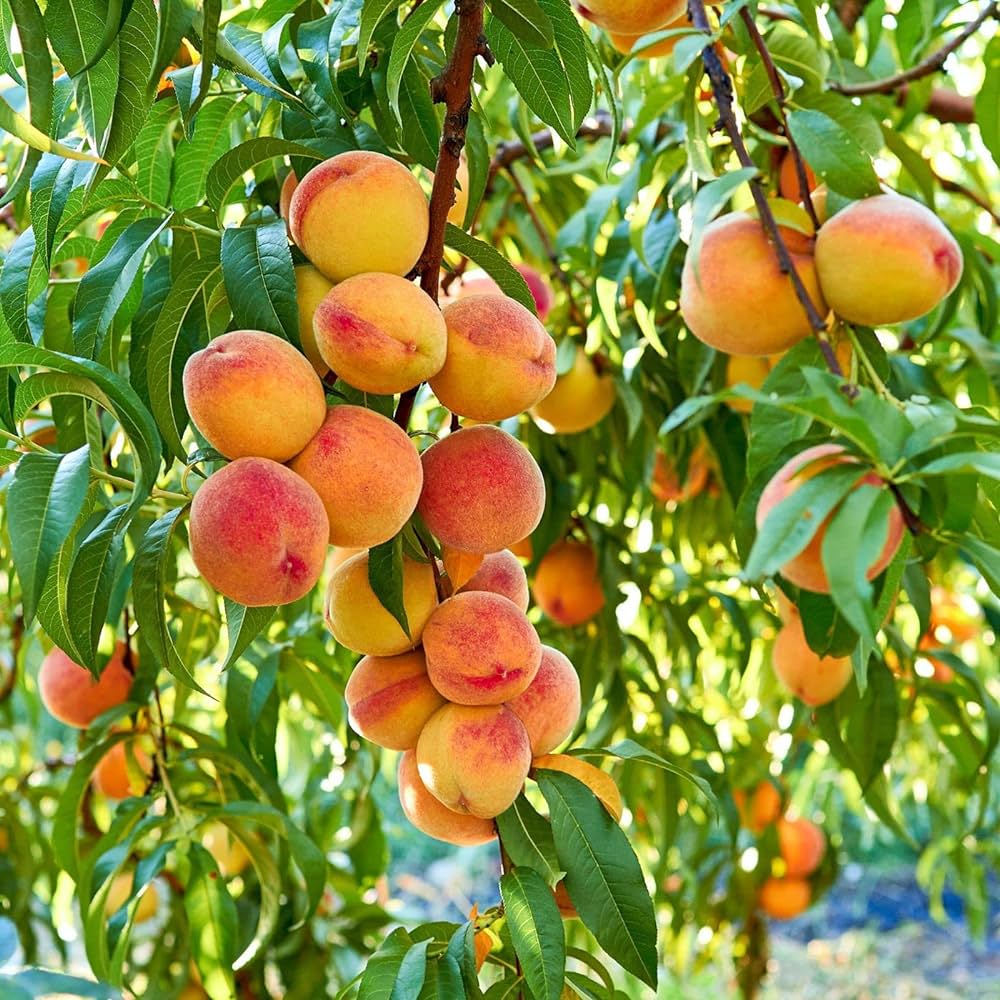
The Peach Tree (Prunus persica) is a deciduous tree renowned for its delicious, juicy, and aromatic fruits. Cultivated for centuries, peaches are a beloved summer treat enjoyed worldwide. This versatile tree not only provides a bountiful harvest but also adds beauty to any garden or orchard with its delicate pink blossoms in spring.
Key Features & Benefits
- Sweet and Juicy Fruit: Peaches are prized for their sweet, juicy flesh and delicate flavor. They are enjoyed fresh, canned, dried, or used in various culinary creations like jams, pies, and desserts.
- Beautiful Blossoms: Peach trees boast stunning pink or white blossoms in spring, adding a vibrant touch to any landscape.
- Easy to Grow: With proper care, peach trees are relatively easy to grow and maintain, making them a rewarding choice for both experienced and novice gardeners.
- Nutritional Value: Peaches are rich in vitamins (A, C), minerals (potassium), and antioxidants, making them a healthy addition to your diet.
- Versatility: Peaches can be grown in various settings, from small backyards to larger orchards.
Plant Care Guide
Ideal Plantation Locations
- Climate: Peach trees thrive in warm climates with full sun exposure. They prefer areas with mild winters and hot summers.
- Soil: Well-drained, loamy soil with a slightly acidic pH is ideal.
- Regions: Suitable regions include USDA hardiness zones 5-9.
Planting & Gardening Instructions
- Location: Choose a sunny location with good air circulation to prevent diseases.
- Soil Preparation: Amend the soil with organic matter like compost to improve drainage and fertility.
- Planting: Plant the peach tree at the same depth it was growing in the nursery container.
- Spacing: Allow 15-20 feet of space between trees to accommodate their mature size.
Watering
- Frequency: Water deeply and regularly during the growing season, especially during dry periods.
- Techniques: Water at the base of the tree to avoid wetting the foliage, which can increase the risk of disease.
Fertilizers
- Types: Use a balanced fertilizer formulated for fruit trees in spring before new growth begins.
- Ratios: Follow the fertilizer instructions for the recommended application rate.
- Schedules: Fertilize again mid-summer after the first harvest.
Repotting Instructions
- Frequency: Repot young peach trees every 2-3 years in the spring before new growth begins.
- Materials: Use a well-draining potting mix.
- Guidelines: Choose a slightly larger pot and gently remove the tree from its current container.
Fruiting Season
- Time Frame: Peach trees typically begin to bear fruit 2-3 years after planting.
- Peak Production: The peak fruiting season varies depending on the cultivar and region, but generally occurs in late spring or early summer.
Usage Ideas
- Fresh Eating: Enjoy the sweet, juicy peaches straight from the tree.
- Cooking: Use peaches in pies, jams, preserves, and other culinary delights.
- Decorative: The beautiful blossoms and vibrant foliage add ornamental value to any landscape.
- Gifting: Share the bounty of your harvest with friends and family.
Care Tips
- Pest Control: Monitor for common pests like aphids, peach borers, and scale insects.
- Pruning: Regular pruning is essential to maintain tree shape, encourage fruit production, and prevent disease.
- Mulching: Apply a layer of organic mulch around the base of the tree to conserve moisture and suppress weeds.