Mint Tulasi
Mint Tulasi, a delightful fusion of two potent herbs, offers a unique blend of health benefits and aromatic appeal. This versatile plant is not only easy to grow but also brings a touch of nature's beauty to any space.
Key Features & Benefits
- Aromatic Delight: Its refreshing mint scent and calming tulasi aroma create a serene ambiance.
- Health Booster: Rich in antioxidants and essential oils, it supports overall well-being.
- Stress Relief: Known for its stress-relieving properties, it promotes mental clarity and relaxation.
- Immune Support: Helps strengthen the immune system and fight off infections.
- Culinary Versatility: Its leaves can be used to flavor teas, curries, and other dishes.
Plant Care Guide
Ideal Plantation Locations
Mint Tulasi thrives in warm, humid climates. It prefers well-drained soil and partial shade.
Planting & Gardening Instructions
- Location: Choose a spot with ample sunlight but avoid direct, intense heat.
- Soil Preparation: Prepare a well-draining soil mix by combining equal parts of garden soil, compost, and per lite.
- Planting: Plant the Mint Tulasi sapling or seeds in the prepared soil.
- Spacing: Maintain a distance of 12-18 inches between plants.
Watering
Water the plant regularly, keeping the soil consistently moist but not waterlogged. Reduce watering during the winter months.
Fertilizers
Apply a balanced liquid fertilizer once a month during the growing season.
Repotting Instructions
Re-pot the plant every 1-2 years in a slightly larger pot with fresh, well-draining soil.
Fruiting Season
Mint Tulasi is primarily grown for its leaves, not fruits.
Usage Ideas
- Herbal Tea: Brew a soothing and aromatic tea.
- Culinary Herb: Add a refreshing flavor to dishes.
- Home Remedy: Use its leaves for various medicinal purposes.
- Ornamental Plant: Enhance your garden or indoor space.
Care Tips
- Pruning: Prune regularly to maintain the plant's shape and encourage new growth.
- Pest Control: Monitor for pests like aphids and whiteflies. Treat them with organic insecticides if necessary.
- Overwintering: Protect the plant from frost during winter by bringing it indoors or covering it with a frost-protective cloth.
Original: $1.07
-70%$1.07
$0.32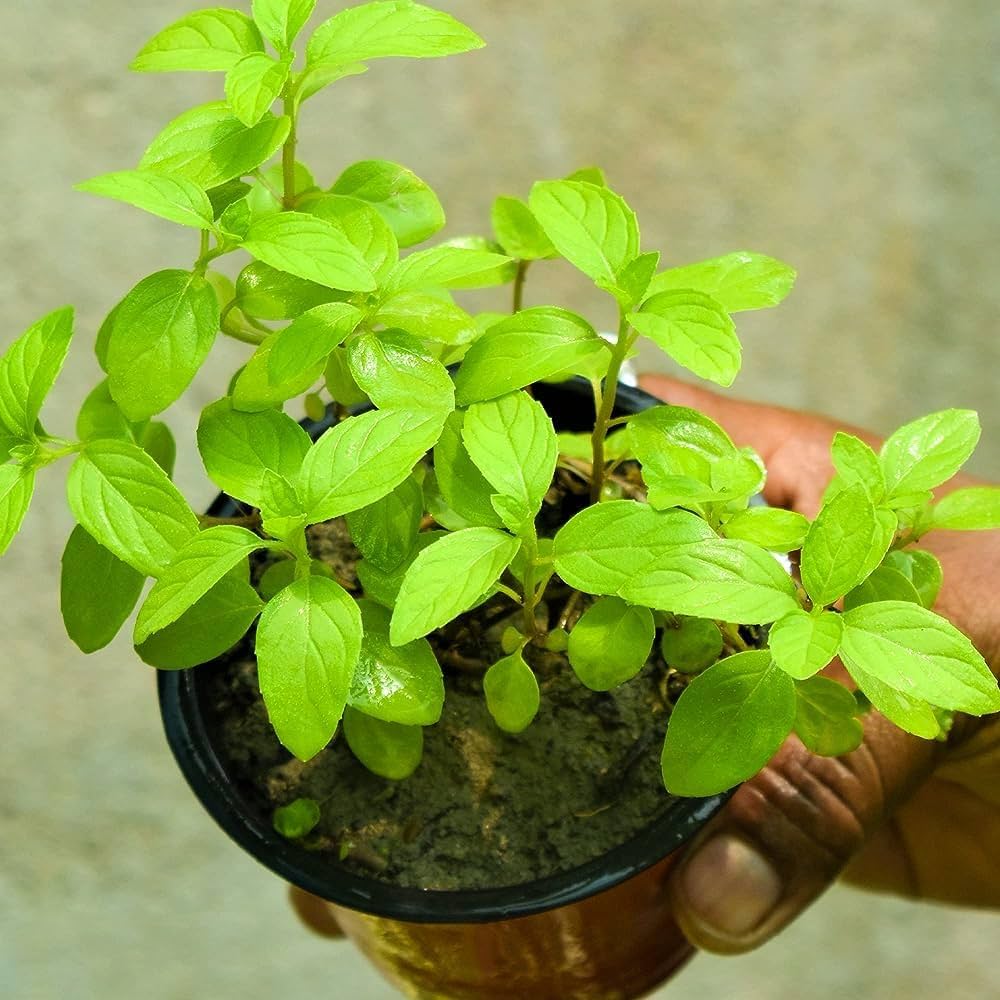
Description
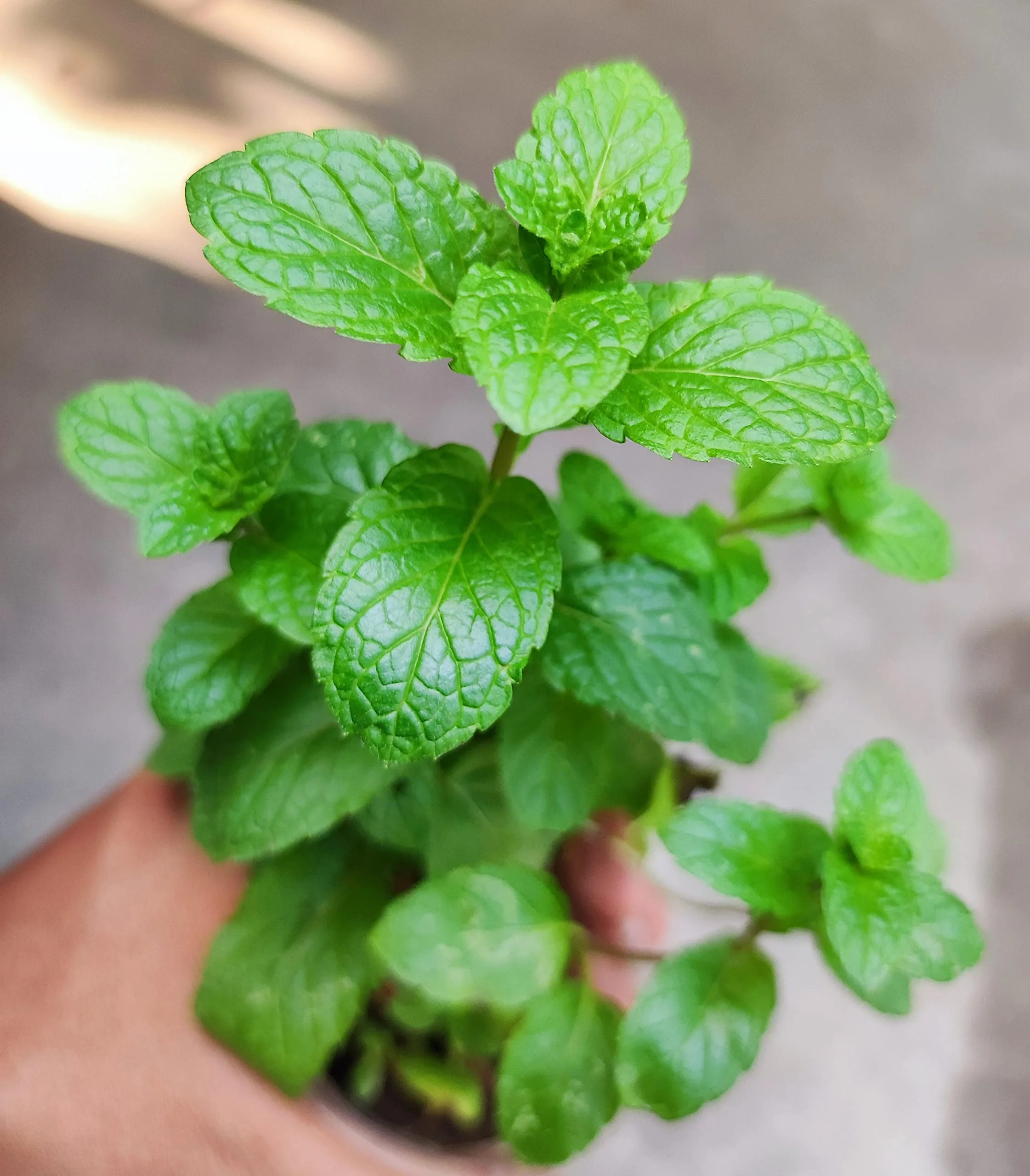
Mint Tulasi, a delightful fusion of two potent herbs, offers a unique blend of health benefits and aromatic appeal. This versatile plant is not only easy to grow but also brings a touch of nature's beauty to any space.
Key Features & Benefits
- Aromatic Delight: Its refreshing mint scent and calming tulasi aroma create a serene ambiance.
- Health Booster: Rich in antioxidants and essential oils, it supports overall well-being.
- Stress Relief: Known for its stress-relieving properties, it promotes mental clarity and relaxation.
- Immune Support: Helps strengthen the immune system and fight off infections.
- Culinary Versatility: Its leaves can be used to flavor teas, curries, and other dishes.
Plant Care Guide
Ideal Plantation Locations
Mint Tulasi thrives in warm, humid climates. It prefers well-drained soil and partial shade.
Planting & Gardening Instructions
- Location: Choose a spot with ample sunlight but avoid direct, intense heat.
- Soil Preparation: Prepare a well-draining soil mix by combining equal parts of garden soil, compost, and per lite.
- Planting: Plant the Mint Tulasi sapling or seeds in the prepared soil.
- Spacing: Maintain a distance of 12-18 inches between plants.
Watering
Water the plant regularly, keeping the soil consistently moist but not waterlogged. Reduce watering during the winter months.
Fertilizers
Apply a balanced liquid fertilizer once a month during the growing season.
Repotting Instructions
Re-pot the plant every 1-2 years in a slightly larger pot with fresh, well-draining soil.
Fruiting Season
Mint Tulasi is primarily grown for its leaves, not fruits.
Usage Ideas
- Herbal Tea: Brew a soothing and aromatic tea.
- Culinary Herb: Add a refreshing flavor to dishes.
- Home Remedy: Use its leaves for various medicinal purposes.
- Ornamental Plant: Enhance your garden or indoor space.
Care Tips
- Pruning: Prune regularly to maintain the plant's shape and encourage new growth.
- Pest Control: Monitor for pests like aphids and whiteflies. Treat them with organic insecticides if necessary.
- Overwintering: Protect the plant from frost during winter by bringing it indoors or covering it with a frost-protective cloth.